Best Materials for Luxury Modular Homes in 2026?

Time:2026-09-03 Author:Ethan
0%

In 2026, the luxury modular home market is evolving rapidly. Key materials will shape this trend. According to a report by the Modular Home Builders Association, 75% of buyers prioritize sustainability and aesthetics. These factors significantly influence their choices.

Experts like Sarah Thompson, a leading architect in modular design, emphasize the importance of material selection. She states, “what are the best materials for luxury modular homes? It’s about blending durability with elegance.” This highlights the ongoing demand for innovative materials that are both functional and stylish.

The shift towards eco-friendly options is notable. Recycled materials and energy-efficient systems are gaining momentum. However, some builders still struggle with high costs and availability. This reflects the need for ongoing research and development in the industry. Balancing luxury with sustainability remains a challenge. As 2026 approaches, the quest for the best materials continues.
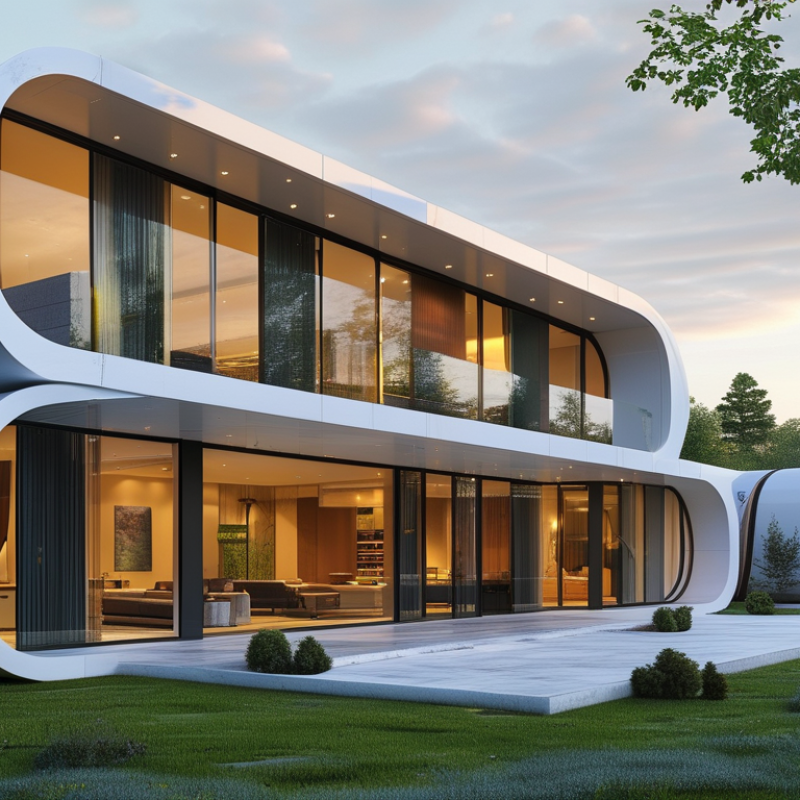
Best Materials for Luxury Modular Homes in 2026?

Best Materials for Luxury Modular Homes in 2026: An Overview

The luxury modular home market is evolving rapidly. In 2026, materials will play a crucial role in defining quality and elegance. Sustainable wood, high-performance glass, and advanced composites are leading choices. Reports indicate that the demand for eco-friendly materials will increase by 25% in the next three years. This data reflects a broader trend towards sustainability in construction. Homeowners are now prioritizing environmental impact alongside aesthetics.

When selecting materials, consider options that offer durability and insulation. Engineered wood systems provide strength with less environmental impact. They are lightweight yet sturdy. Consider glass that not only enhances visual appeal but also improves energy efficiency. Advanced energy-efficient windows can reduce heating costs by up to 30%. Proper insulation materials can also significantly enhance comfort in luxury homes.

For further enhancement, think about integrating smart technology with these materials. This integration can offer real-time feedback on energy use and temperature control. Luxury homes in 2026 will not just be about looks; they will prioritize functionality and efficiency. Remember, maintaining a balance between luxury and sustainability is essential in this evolving landscape. Consider what materials align with your values and vision for the future.

Comparative Analysis of Wood vs. Steel in Modular Home Construction

When considering the construction of luxury modular homes, wood and steel emerge as primary materials. Wood is often praised for its natural aesthetic. It provides warmth and charm, appealing to many homeowners. However, wood is susceptible to rot and pests. This raises concerns about long-term durability. Regular maintenance is essential to prevent issues. Weather conditions can also affect wooden structures, leading to potential warping.

On the other hand, steel brings robustness and longevity to modular homes. It is fire-resistant and does not warp, offering peace of mind. Steel can withstand harsh weather conditions, ensuring structural integrity over time. However, it may lack the aesthetic charm that wood offers. Plus, steel can be more expensive than wood. This cost factor might limit its appeal. Homeowners should weigh the pros and cons carefully, as each material has unique benefits and challenges.

Both materials contribute significantly to the design and function of luxury modular homes. Each choice comes with its set of trade-offs. Consideration of local climate, personal preference, and budget will influence the decision. Ultimately, the right material should align with the homeowner's vision and values.

Sustainable Building Materials: Trends in Luxury Modular Homes for 2026

The rising demand for luxury modular homes is shaping the future of sustainable building materials. In 2026, eco-friendly choices will be at the forefront. Materials like reclaimed wood and recycled metal will be essential. These options not only reduce waste but also add character to homes. Choosing materials that tell a story can enhance a space's aesthetic.

Innovative strategies will play a role in material selection. For instance, incorporating low-carbon concrete is crucial. This alternative has a smaller environmental footprint. Many luxury builds will also feature advanced insulation made from natural fibers. These materials improve energy efficiency but can sometimes pose challenges in sourcing. Fluctuations in availability may impact pricing and timelines.

There is a learning curve in adopting these materials. Builders and designers must stay updated on trends to maintain credibility. Local sourcing presents its own set of challenges, particularly in remote areas. Balancing luxury with sustainability can lead to compromises. Nevertheless, these conversations are essential in pushing the boundaries for environmentally conscious luxury living.

Best Materials for Luxury Modular Homes in 2026

Material Type Sustainability Rating Durability Cost per Square Foot Trend Popularity (1-10)
Recycled Steel High Excellent $10 9
Bamboo Very High Good $6 8
SIPs (Structural Insulated Panels) High Very Good $12 7
Earth or Rammed Earth Very High Excellent $8 6
Hempcrete High Good $15 7

Impact of Advanced Insulation Technology on Energy Efficiency

Advanced insulation technology is revolutionizing energy efficiency in luxury modular homes. Insulation materials are evolving to improve thermal performance significantly. This innovation is key to reducing energy waste and lowering utility bills. The latest materials, like aerogel and vacuum insulation panels, offer superior resistance to heat transfer. They ensure a cozy living space with minimal energy consumption.

Moreover, the impact of these advanced materials goes beyond comfort. Homes equipped with better insulation contribute to a lower carbon footprint. This is increasingly important for environmentally conscious buyers. However, not all insulation solutions are perfect. Some materials may have a higher upfront cost, which can deter homeowners. It's essential to balance durability and efficiency, making informed choices for long-term benefits.

As insulation technology advances, builders must keep pace with developments. Staying updated on new materials is crucial for maximizing energy efficiency. While current options are impressive, continuous improvement is necessary. The quest for perfection in insulation will lead to even more sustainable luxury homes in the future. Homeowners must reflect on how these innovations can enhance their living spaces while being mindful of potential trade-offs.

Emerging Trends in Smart Home Materials for Modular Living Spaces

In 2026, luxury modular homes are poised to embrace smart home materials that prioritize sustainability and efficiency. One emerging trend is the use of recycled materials. A recent report suggests up to 30% of homebuilding materials may come from recycled sources. This shift not only reduces waste but also lowers the carbon footprint associated with new constructions. Homeowners increasingly value eco-friendly options, pushing the industry to innovate.

Additionally, smart home technologies are evolving rapidly. Reports indicate that 70% of new homes will integrate IoT devices by 2026. This includes systems for lighting, security, and climate control that enhance convenience. For instance, advanced insulation materials are being combined with smart sensors. These innovations allow homeowners to monitor energy usage in real-time, optimizing efficiency. Yet, there are challenges. New technologies can be complex and require user education. Some homeowners may struggle to integrate these systems seamlessly into their daily lives.

Moreover, the durability of smart materials remains a concern. While many are designed for longevity, exposure to the elements can lead to wear over time. Balancing aesthetics and functionality is critical in luxury modular homes. As these materials develop, constant evaluation is necessary to ensure they meet the needs of modern living while holding up against the tests of time.

Best Materials for Luxury Modular Homes in 2026

FAQS

: What are the main materials used in modular home construction?

: The primary materials are wood and steel. Each has its own advantages and disadvantages.

Why might a homeowner choose wood over steel?

Wood offers a natural aesthetic, warmth, and charm. It appeals to many homeowners.

What are some downsides to using wood?

Wood is susceptible to rot and pests. It also requires regular maintenance and might warp in certain weather conditions.

What advantages does steel have in construction?

Steel is robust, fire-resistant, and does not warp. It withstands harsh weather effectively.

Is steel more expensive than wood?

Yes, steel can be more costly. This price may limit its appeal for some homeowners.

What should homeowners consider when choosing between materials?

Homeowners should consider local climate, personal preferences, and budget when making a decision.

What are some trends in sustainable building materials for luxury modular homes?

Eco-friendly materials, including reclaimed wood and recycled metal, will be popular in 2026.

Why is low-carbon concrete important for future builds?

It has a smaller environmental footprint and promotes sustainability in construction.

What challenges do builders face with sustainable materials?

There's a learning curve, and fluctuations in material availability can affect pricing and timelines.

How can balancing luxury and sustainability pose problems?

Compromises may be necessary to merge luxury needs with eco-friendly practices, leading to difficult choices.

Conclusion

In exploring the future of luxury modular homes in 2026, a key question arises: what are the best materials for luxury modular homes? The article delves into a comparative analysis of wood and steel, highlighting their respective advantages in construction. Wood offers natural aesthetics and warmth, while steel provides strength and durability, setting the stage for innovative design choices.

Additionally, sustainable building materials are gaining traction, reflecting a growing trend towards environmentally friendly solutions in luxury modular living. The impact of advanced insulation technology on energy efficiency is also significant, as it allows for enhanced comfort and reduced energy costs. Lastly, emerging trends in smart home materials are making modular spaces more integrated and technologically advanced, offering residents a seamless blend of luxury and convenience.

Ethan

Ethan

Ethan is a seasoned marketing professional with a deep expertise in our company's innovative product line. With a passion for sharing knowledge and insights, he takes the lead in regularly updating our corporate blog, where he explores industry trends, product features, and effective marketing......