In the evolving landscape of real estate, luxury modular homes are capturing international attention. These innovative structures combine elegance with efficiency, appealing to a diverse range of global buyers. The question arises: how customizable are luxury modular homes? David Harrison, a prominent expert in the modular housing sector, emphasizes, "Customization is key to making a house feel like home."
The degree of customization can vary significantly. Buyers often seek to influence floor plans, materials, and finishes. Each choice reflects personal style and practical needs. However, the process can present challenges. Some manufacturers may have limitations on design alterations, leading to potential frustration. Understanding these constraints is crucial for buyers.
Modular homes also need to comply with local regulations, which can impact customization options. For global buyers, navigating these complexities requires careful consideration. The allure of luxury modular homes lies in their versatility, yet buyers must weigh their desires against the options available. Consequently, the question of customization deserves deeper exploration.
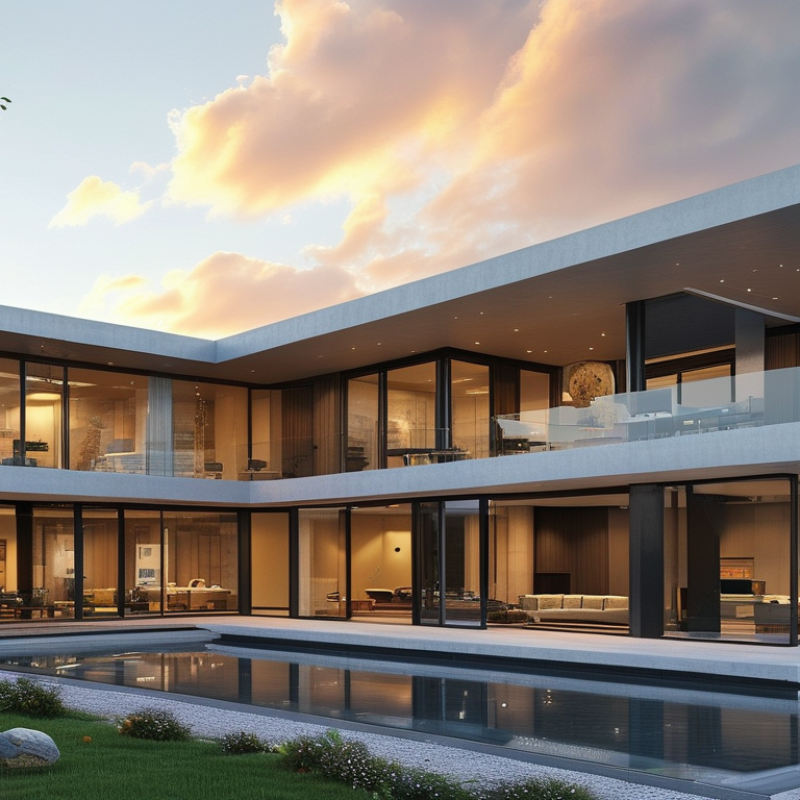
Luxury modular homes offer a wealth of customization options for discerning buyers around the globe. These homes can be tailored to fit unique tastes, lifestyles, and environmental needs. From floor plans to material choices, there are several ways to create a personalized living space. Designers often work closely with clients to incorporate specific requirements and preferences.
When considering customization, think about layout and functionality. Open-concept designs may enhance social interaction. Alternatively, defined spaces might cater to family needs. Choosing high-quality materials is crucial. Sustainable options not only promote environmental responsibility but can also elevate the home's aesthetic.
**Tip:** Always verify the credentials of designers and manufacturers. Research their past projects and customer reviews.
Another factor is local climate. Custom insulation and energy-efficient systems can significantly impact comfort and utility costs. It’s vital to reflect on your lifestyle. Will your home accommodate future changes such as a growing family or aging in place? The choices you make now should ideally blend with your long-term vision.
**Tip:** Don't rush decision-making. Spend time understanding each option thoroughly.
In essence, the flexibility of luxury modular homes allows for both creativity and practicality, making them a compelling choice for global buyers. Balancing personal preference and effective design is key to achieving a successful outcome.
: Buyers can tailor floor plans, materials, and designs to fit their unique lifestyles and environmental needs.
Layout impacts functionality. Open designs enhance social interaction; defined spaces suit family needs better.
Choosing high-quality materials is essential. Sustainable options enhance aesthetics and promote environmental responsibility.
Local climate affects insulation and energy systems, impacting comfort and utility costs significantly.
Reflect on lifestyle changes. Ensure the home can accommodate a growing family or aging in place effectively.
Verify credentials and past projects to ensure quality. Customer reviews can offer insights into their reliability.
Cost considerations may limit design flexibility. Buyers should weigh creative desires against budget limitations.
Ongoing dialogue ensures that client expectations are met. It helps avoid misunderstandings and increases satisfaction.
Global buyers seek features that resonate with their cultural identity, influencing their design choices significantly.
Don't rush. Take the time to understand each option thoroughly for a satisfying customization experience.
The article "How Customizable are Luxury Modular Homes for Global Buyers?" explores the diverse customization options available in luxury modular homes, highlighting the importance of understanding these choices for potential buyers. It delves into various factors influencing customization in global markets, such as cultural preferences and lifestyle requirements. Additionally, the article examines specific design features and personalization opportunities, showcasing how luxury modular homes cater to individual tastes.
Moreover, a comparative analysis across different cultures reveals significant variations in design expectations and customization approaches. While there are challenges associated with customizing luxury modular homes globally—such as regulatory constraints and material availability—the potential benefits, including unique living experiences and enhanced value, make these homes a compelling option for discerning buyers. Ultimately, the exploration raises the question: how customizable are luxury modular homes, and how do these options align with global buyers' desires?

 CovetNest Build