What Factors Influence Modular Home Prices Globally?

Time:2026-07-10 Author:Sophia
0%

The modular home market is growing rapidly across the globe. However, potential buyers often wonder what factors affect modular home prices. Various elements contribute to pricing fluctuations, from local market demand to construction materials and regulations. Understanding these influences can empower consumers to make informed decisions.

Location plays a significant role in pricing. In urban areas, demand often drives prices higher. Regional building codes and zoning laws also impact costs. Materials can vary greatly in quality and price, creating differences in overall expenses. Labor costs fluctuate based on local economies and workforce availability, adding another layer of complexity.

Market trends, interest rates, and consumer preferences also shape prices. Buyers may find it challenging to navigate these dynamics effectively. Awareness of these factors can lead to better purchasing decisions and greater satisfaction. Exploring what factors affect modular home prices provides essential insights for anyone considering this modern housing option.
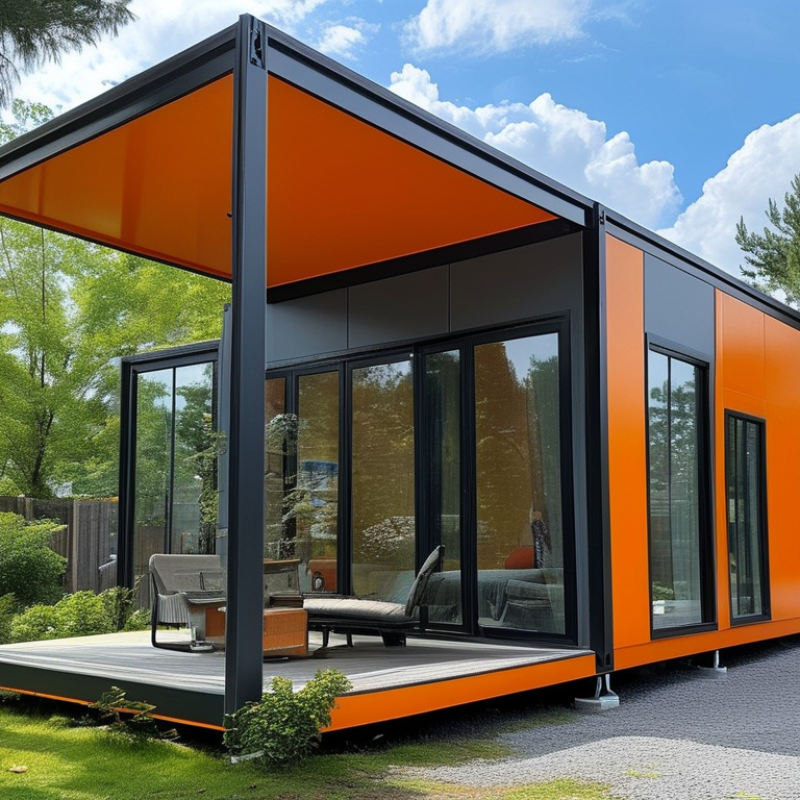
What Factors Influence Modular Home Prices Globally?

Factors Influencing Construction Costs of Modular Homes Worldwide

The global construction costs of modular homes are influenced by several key factors. One major factor is the cost of raw materials. Reports from the National Association of Home Builders indicate that lumber prices can impact overall construction expenses significantly. For instance, a spike in lumber costs by 30% can raise the final price of a modular home by thousands of dollars.

Labor costs also play a crucial role. Skilled labor shortages are common in many regions, driving wages up and further increasing costs. A recent analysis showed that labor prices can account for up to 30% of the total construction cost. It’s essential to consider that labor availability varies by location, affecting regional pricing.

Another critical aspect is transportation. Modular homes require transportation from the factory to the building site. Long distances can lead to higher logistics costs. In some cases, transportation expenses may exceed 10% of the total cost. These challenges highlight that while modular homes promise efficiency and affordability, fluctuating costs require ongoing assessment.

Geographical Variations in Modular Home Pricing Factors

Modular home prices can vary significantly around the globe. One key factor is location. Urban areas typically see higher prices due to land scarcity and demand. In contrast, rural regions might offer lower prices because of more available land. Economic conditions also play a crucial role. For instance, a booming economy can drive prices up, while recessions can lead to declines.

Labor costs differ greatly between regions. Some countries have lower labor expenses, which can reduce overall construction costs. However, this might impact the quality of workmanship. Materials sourced locally can also affect prices, as regional availability can drive costs either up or down. Climatic conditions in an area can influence design choices, impacting overall budget.

Cultural preferences and construction regulations further complicate pricing. Some regions favor traditional materials, leading to higher costs. Others embrace innovative designs that can be more affordable. Understanding these global variations can aid potential buyers in making informed decisions. Each market has its unique challenges and benefits, requiring thoughtful consideration.

Global Modular Home Price Influences

Impact of Material Quality on Modular Home Prices Globally

The quality of materials significantly impacts modular home prices around the world. Higher-quality materials typically lead to higher costs. They can enhance durability and energy efficiency. Choices like insulation and siding can affect prices greatly. Quality materials also contribute to lower maintenance costs over the home's lifespan.

When selecting materials, consider the long-term benefits. Investing in high-quality items can pay off. They can save money on repairs and utilities. Opt for materials that offer warranties. This gives you peace of mind about your investment.

Be mindful of trends in modular home construction. For instance, sustainable materials may cost more initially, but they can reduce environmental impact. Research the latest innovations in home materials. They may provide added value without a giant price tag. Every detail contributes to the overall cost. Making informed decisions now can lead to significant savings in the future.

Regulatory and Zoning Laws Affecting Modular Home Costs

Regulatory and zoning laws play a crucial role in shaping modular home prices worldwide. Different regions impose distinct requirements on construction practices. These laws can dictate everything from building materials to design specifications. In urban areas, stricter regulations often lead to increased costs for modular homes. Builders may face delays due to lengthy permit processes.

Zoning laws further complicate pricing. Many local regulations restrict the areas where modular homes can be placed. These limitations can reduce available land, driving up prices. For example, in areas with high demand, the scarcity of suitable land raises costs significantly. Homebuyers might find it difficult to locate properties that meet their needs.

Additionally, navigating the legal landscape can be a challenge for builders. Conflicting regulations between jurisdictions can create confusion. This confusion can increase construction times and expenses. Investors and buyers must stay informed about local laws to make sound financial decisions. Understanding these factors is essential for anyone considering modular home investments.

Market Demand and Economic Trends in Modular Home Pricing

Modular home prices are heavily influenced by market demand and economic trends. A surge in interest for sustainable living has increased demand for modular homes. Buyers often seek energy efficiency and innovative designs. As a result, builders may raise prices to meet this demand. Economic factors, such as inflation and material costs, also play a pivotal role. When the economy booms, consumers are usually more willing to invest in modular homes.

Tips: Research the average price range in your area before making a decision. Understanding local market trends can save you money.

Additionally, regional factors can impact pricing. Areas with stringent building codes might see higher costs. This is due to compliance with regulations. Conversely, regions with less oversight may offer more affordable options. Potential buyers should consider these elements when exploring modular homes.

Tips: Always ask about local zoning laws. Knowing the regulations can prevent future hassles. Evaluate your budget, but also examine the long-term value of investment.

What Factors Influence Modular Home Prices Globally?

Region Average Price per Square Foot (USD) Market Demand Index Economic Growth Rate (%) Construction Cost Index
North America $120 85 3.1 80
Europe $150 75 2.5 85
Asia-Pacific $100 90 6.0 70
Latin America $80 65 3.5 65
Middle East $110 70 4.0 75

FAQS

: What major factor affects construction costs of modular homes?

: The cost of raw materials greatly influences construction expenses. For example, a 30% increase in lumber prices can raise costs significantly.

How do labor costs impact modular home construction?

Labor costs can account for up to 30% of total construction expenses. Skilled labor shortages can drive wages higher in many regions.

Why is transportation a key concern for modular homes?

Transportation from factory to site can add substantial costs. Long distances might make logistics expenses exceed 10% of total costs.

How do regulatory laws affect modular home prices?

Different regions have distinct construction regulations. Stricter laws in urban areas typically lead to increased costs for modular homes.

What role do zoning laws play in modular home pricing?

Zoning laws can restrict where modular homes are built. This limitation often reduces available land and drives up overall prices.

How can legal complexities affect modular home builders?

Conflicting regulations between areas create confusion. This can lead to delays, increased construction times, and added expenses.

Why is ongoing cost assessment important in modular home construction?

Fluctuating costs in materials and labor mean prices can change frequently. Continuous assessment helps builders stay within budget.

What challenges do homebuyers face regarding land availability?

Limited land in high-demand areas can make finding suitable properties difficult. This scarcity can increase overall property costs.

How can builders navigate legal landscapes effectively?

Staying informed about local regulations is crucial. This knowledge helps ensure compliance and reduces potential cost overruns.

What should investors consider when looking into modular home investments?

Understanding regional regulations, labor costs, and material prices is essential. Investors must factor these elements into their financial decisions.

Conclusion

The article "What Factors Influence Modular Home Prices Globally?" examines several key elements that affect modular home pricing on an international scale. It discusses how geographical variations lead to differences in construction costs, highlighting that local labor market conditions, availability of materials, and climate can significantly impact prices. Additionally, the quality of materials used plays a crucial role in determining the overall cost of modular homes.

Furthermore, regulatory and zoning laws are essential factors that can either facilitate or hinder the construction process, thereby influencing market prices. Lastly, the article addresses the significance of market demand and prevailing economic trends, which together shape the pricing landscape for modular homes. Understanding what factors affect modular home prices is vital for potential buyers and industry stakeholders alike, enabling informed decisions in an ever-evolving market.

Sophia

Sophia

Sophia is a dedicated marketing professional with an exceptional depth of knowledge about her company's products and services. With a keen understanding of market trends and customer needs, she crafts insightful blog posts that not only inform but also engage readers, enriching the company’s online......