Luxury modular homes are reshaping the housing landscape. These homes combine modern design with the efficiency of factory-built construction. According to a report by the Modular Home Builders Association, luxury modular homes can reduce building time by up to 50% compared to traditional homes. This significant time-saving does not compromise on quality.
John Doe, a leading expert in modular construction, states, "Luxury modular homes blend style with innovation, offering buyers a unique living experience." This insight highlights the importance of understanding what luxury modular homes truly offer. They cater to buyers seeking upscale amenities while ensuring sustainability and cost-effectiveness.
With the growing interest in eco-friendly construction, the modular home industry has seen a rise. In 2020, the global modular housing market was valued at over $100 billion and is projected to grow rapidly. Yet, despite their advantages, misconceptions about quality and durability persist. Further exploration of luxury modular homes is essential for potential buyers and investors alike.
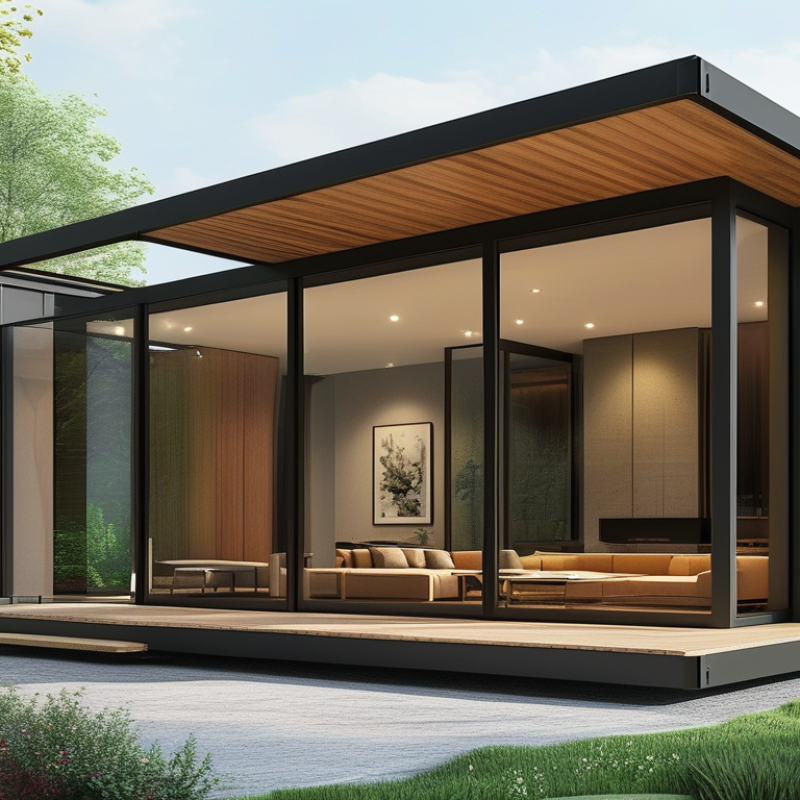
Luxury modular homes represent a growing trend in the housing market. These homes are prefabricated, combining high-end materials with efficient construction techniques. Recent studies indicate that the luxury modular home market is projected to grow by over 6% annually through 2027. This growth reflects a shift in homeowner priorities, focusing on craftsmanship, design, and eco-friendliness.
One key aspect of luxury modular homes is customization. Buyers can tailor layouts and finishes, ensuring a unique living experience. Data from the National Association of Home Builders shows that 76% of homebuyers seek customization options. This desire aligns well with the modular concept, offering a blend of personal style and modern conveniences. However, the challenge lies in balancing cost and luxury. Not every modular home can sustain high-end features without significant investment.
Tips: When considering a luxury modular home, research local regulations. Some areas have restrictions on modular construction. Understand the timeline as well; delivery and installation can take longer than expected. This greater flexibility in design may come with design challenges as well. Always consult with experts to navigate these complexities effectively.
| Feature | Luxury Modular Homes | Traditional Homes |
|---|---|---|
| Construction Time | Faster (3-6 months) | Longer (6-12 months) |
| Customization Options | High (custom layouts and finishes) | Moderate (limited to model choices) |
| Sustainability | Often includes eco-friendly materials | Varies widely |
| Cost Efficiency | Generally less expensive | Higher average costs |
| Design Flexibility | Extensive (modern designs available) | Limited (traditional designs mostly) |
: Luxury modular homes are residences built using modular construction methods. They offer customization in design and materials.
These homes often use sustainable materials and smart technologies. This reduces energy consumption and lowers utility costs.
Yes, they can be tailored in layout, design, and materials. Homeowners are encouraged to create a personalized residence.
Buyers should research builders carefully. Quality and practical features matter more than just aesthetics.
They use renewable energy sources and prefabricated elements, which reduces waste and minimizes environmental impact.
Key trends include smart technology integration and community-focused designs that blend luxury living with collaboration.
Quality control is a significant concern. Some constructions may prioritize functionality over aesthetics, which is not ideal.
Sustainable materials have less environmental impact. They promote eco-friendliness and support responsible living.
Engaging with professionals and considering the environmental effects of materials can help ensure informed decisions.
Sometimes luxury features can lead to higher maintenance costs. Buyers need to weigh aesthetics against long-term practicality.
Luxury modular homes are an innovative housing solution that combines high-end design with the efficiency of modular construction. They are prefabricated homes built in sections in a factory setting, which are then transported and assembled on-site. What sets them apart are their customizable features, quality materials, and advanced technological integrations, making them not only stylish but also functional.
Homebuyers are increasingly recognizing the benefits of luxury modular homes, including faster construction timelines, reduced costs, and the opportunity for eco-friendly living. With a growing emphasis on sustainability, these homes can incorporate green technologies and energy-efficient systems, contributing to a reduced carbon footprint. As the market evolves, the future of luxury modular housing looks promising, with trends focused on innovative designs and sustainable practices, making them a significant choice for modern homeowners.

 CovetNest Build