As the market for luxury modular homes expands, global buyers are increasingly interested in their unique advantages. What are the benefits of luxury modular homes? These residences blend elegance with practicality, making them an appealing choice for discerning homeowners. Modular construction allows for a streamlined building process, reducing overall project time. This efficiency translates to lower costs and less wastage, which is essential in today’s economy.
Moreover, luxury modular homes often feature sustainable materials and innovative designs, appealing to eco-conscious buyers. They come with customizable options, allowing personalization that traditional homes might not provide. However, prospective buyers should consider local regulations and the longevity of modular structures against traditional options.
Despite the numerous benefits, there can be doubts about resale value and quality. Some people still view modular homes with skepticism. As the industry evolves, addressing these concerns will be crucial to gaining wider acceptance. In 2026, understanding the full scope of what luxury modular homes offer will be essential for any serious buyer.
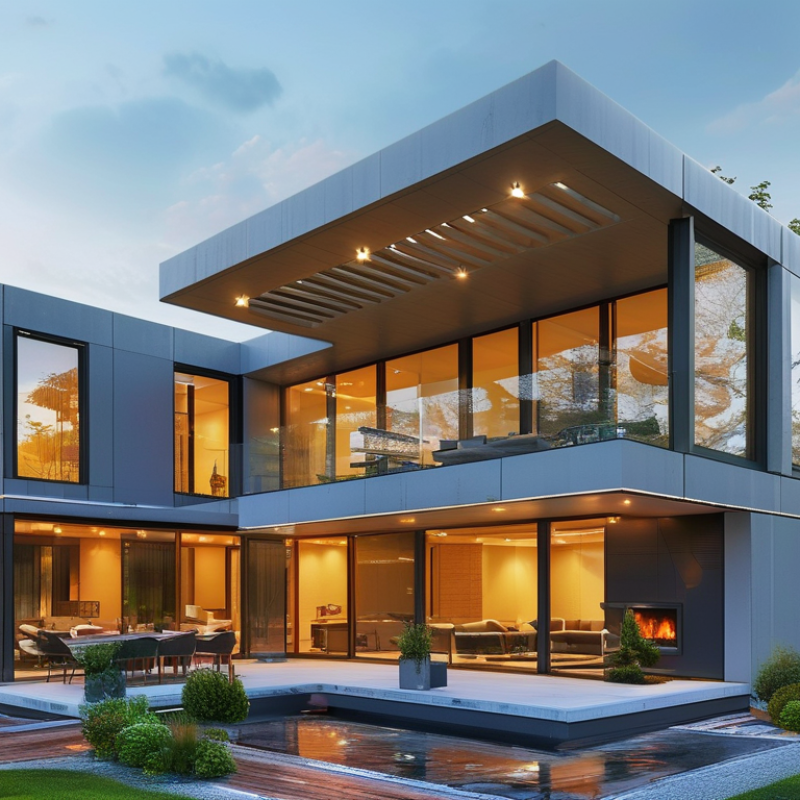
Benefits of Luxury Modular Homes for Global Buyers in 2026
Luxury modular homes offer numerous benefits for global buyers in 2026. These homes are designed off-site, ensuring efficient construction and high-quality materials. According to recent market analysis, over 300,000 modular homes are expected to be constructed globally by 2026. This trend reflects an increasing demand for sustainable and customizable living spaces.
One notable advantage is the reduced construction time. Traditional homes may take over six months to build, while modular homes can often be completed in less than half that time. Buyers can enjoy their new properties sooner, which is appealing in a fast-paced world. Additionally, modular homes often incorporate energy-efficient designs. This can lead to lower utility bills, addressing concerns about rising energy costs.
However, potential buyers should consider regional zoning laws. Some areas may have restrictions on modular construction. It’s important to research local regulations to avoid future complications. Lastly, the perception of modular homes varies. While many see them as innovative, others may still associate them with temporary structures. Awareness of these perspectives is essential for buyers navigating the luxury market.
Growth Trends in Luxury Modular Home Market: A 2026 Forecast
The luxury modular home market is poised for significant growth in 2026. According to recent reports, the market is expected to exceed $70 billion globally. This expansion is driven by increasing demand for customizable living spaces that blend comfort and innovation. Many buyers seek eco-friendly options, further boosting modular construction's appeal.
The efficiency of luxury modular homes is another reason for their rising popularity. Construction timelines can be reduced by up to 50%, allowing families to move in sooner. Prefabrication methods cut costs and waste, aligning with the desires of modern buyers who value sustainability. Moreover, these homes offer lavish features such as smart technology, high-end materials, and unique designs.
However, challenges remain. Some buyers may struggle with perceptions of quality in modular homes. Education around the durability and longevity of these structures is essential. Investors must also consider regional market variability. Failing to address these aspects could hinder growth, despite the promising forecasts. Recognizing these nuances can inform better investment and purchasing decisions.
Cost Efficiency Compared to Traditional Luxury Homes in 2026
The luxury modular home market is gaining traction among global buyers. In 2026, these homes promise significant cost efficiency compared to traditional luxury homes. Modular homes often reduce construction time and resource waste. This streamlined process can lower overall expenses, making luxury more accessible.
Construction costs can escalate with traditional luxury homes due to custom designs and lengthy timelines. However, modular homes provide a structured approach. Their assembly line production often leads to lower material costs. Buyers can expect reduced electricity and maintenance expenses as well. These homes frequently incorporate sustainable, energy-efficient technologies.
There's a growing trend of customizing modular homes. While many appreciate the standard layouts, some buyers seek unique touches. Challenges arise when trying to balance customization with cost-effectiveness. A focus on specific designs can occasionally inflate prices. Buyers should weigh their priorities carefully. Saving money is essential, but the personal flair shouldn't be sacrificed entirely.
Sustainability Features of Luxury Modular Homes: Eco-Friendly Innovations
Luxury modular homes are rapidly gaining traction among global buyers, particularly due to their eco-friendly innovations. These homes are not only stylish but also prioritize sustainability. They incorporate energy-efficient designs and renewable materials, which significantly reduce their carbon footprint. By utilizing advanced insulation and energy-saving appliances, these homes are built to last while being gentle on the planet.
One notable feature of luxury modular homes is their ability to harness solar energy. Many designs include solar panels that generate electricity, reducing reliance on traditional energy sources. This innovative approach allows homeowners to save on energy bills while contributing to a more sustainable future. Water conservation systems are also common, featuring rainwater harvesting and graywater recycling.
Tips to consider when exploring luxury modular homes: look for homes with LEED certification to ensure stringent environmental standards. Pay attention to the materials used; recycled and sustainably sourced materials are key. Lastly, consider the home’s orientation and landscape to maximize natural light and ventilation, enhancing energy efficiency. It’s essential to weigh both aesthetics and functionality in your decision-making process.
Customization Options for Luxury Modular Homes: Meeting Global Buyers’ Needs
Global buyers in 2026 are increasingly drawn to luxury modular homes for their unique customization options. These homes offer a blank canvas for creativity, allowing owners to tailor every detail. From floor plans to material selection, buyers can design spaces that reflect personal tastes and lifestyles. Choices can include eco-friendly materials, smart home technology, and luxurious finishes. Each decision contributes to a unique living experience.
Customization also addresses various cultural needs. A family from Japan may prioritize minimalist designs, while buyers in Italy might seek spacious, open layouts. This adaptability attracts diverse clientele, facilitating a global market appeal. However, the process can be overwhelming. Buyers often struggle to navigate countless options and may become uncertain about their choices.
Additionally, the balance between personal taste and resale value is crucial. Unique features may seem appealing but could limit marketability. Buyers should weigh their desires against potential future needs. Flexibility in design can meet individual preferences while ensuring long-term benefits. This thoughtful approach helps buyers create homes that are both personal and market-savvy.
Investment Potential of Luxury Modular Homes in 2026 Real Estate Market
The luxury modular home market is poised for significant growth in 2026, attracting global buyers seeking unique investment opportunities. According to recent industry reports, modular homes have seen a 25% increase in demand over the past three years. These homes provide buyers with customizable living spaces that appeal to modern aesthetics while also promising sustainability.
Investing in luxury modular homes aligns with evolving market trends. By 2026, the global real estate market is projected to reach upwards of $4.2 trillion. This dramatic growth underscores the value of modular homes, which often appreciate faster than traditional structures due to their innovative designs and efficient construction methods. The versatility and speed of building these homes appeal to both young professionals and established investors.
Tips: When considering luxury modular homes, prioritize location. A desirable area can significantly enhance the property’s value. Also, assess the craftsmanship; quality materials will contribute to long-term satisfaction. Lastly, invest in energy-efficient features. These upgrades not only lower utility bills but also attract eco-conscious buyers in a competitive market.
FAQS
: Luxury modular homes offer cost efficiency and reduced construction time. They limit resource waste, making luxury more accessible.
They use assembly line production, lowering material costs. This can lead to reduced overall expenses for buyers.
Yes, they incorporate energy-efficient designs and renewable materials, significantly reducing their carbon footprint.
Many designs include solar panels and water conservation systems like rainwater harvesting. They prioritize environmental sustainability.
Yes, customization is possible, but it may increase costs. Buyers should balance their personal style with budget considerations.
Look for LEED certification, recycled materials, and an orientation that maximizes natural light and ventilation.
They often include advanced insulation and energy-saving appliances, reducing energy bills and improving overall efficiency.
Yes, customization can inflate prices. It's important to reflect on priorities and not sacrifice personal flair entirely.
Conclusion
The article "Benefits of Luxury Modular Homes for Global Buyers in 2026" explores the growing appeal of luxury modular homes, highlighting key advantages for international buyers. One of the primary benefits of luxury modular homes is their cost efficiency compared to traditional luxury houses, allowing buyers to invest more wisely in the real estate market. Additionally, with increasing demand for sustainable living, these homes incorporate eco-friendly innovations that reduce carbon footprints and promote environmental responsibility.
Customization is another significant aspect, as luxury modular homes offer various design options to cater to the unique tastes and needs of global customers. As the market evolves, the investment potential of these homes in 2026 is promising, making them an attractive option for savvy investors looking to maximize their assets in a dynamic real estate landscape. Ultimately, understanding what are the benefits of luxury modular homes can help buyers make informed decisions in the coming years.

 CovetNest Build