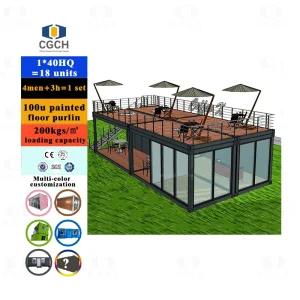
Engineered modular residences optimized for structural speed, luxury hospitality, and architectural design innovation.
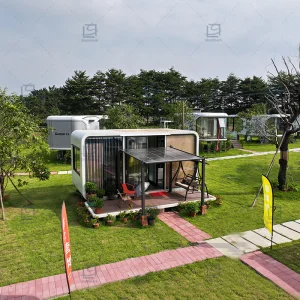
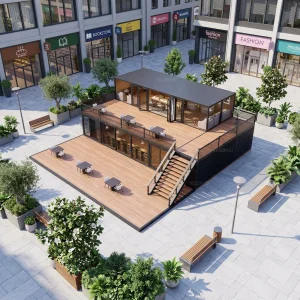
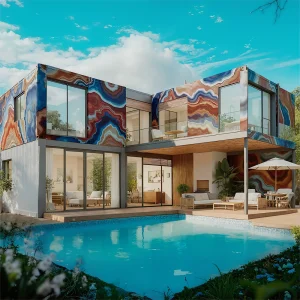
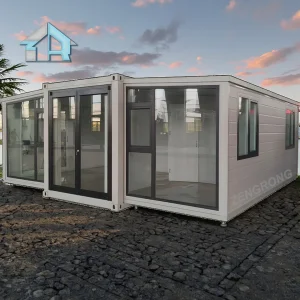
The construction sector is experiencing a monumental transformation. Industrial off-site fabrication has shifted from a method for low-cost, temporary housing to the preferred construction standard for the luxury residential and hospitality sectors. Leading this revolution are CE-certified, high-end prefabricated villas. These structures merge advanced digital fabrication (DFMA) with high-end architecture, setting a new benchmark for structural longevity, energy efficiency, and investment returns.
For decades, conventional onsite construction has faced challenges like labor shortages, weather disruptions, escalating material waste, and inconsistent quality control. Prefabricated modular manufacturing resolves these inefficiencies. By fabricating modules in controlled factory conditions using high-precision CAD/CAM systems, builders can reduce construction timelines by up to 50% while improving structural quality.
CE Certification serves as a primary regulatory benchmark. For developers and builders in the European Economic Area (EEA) and global markets aligned with European standards, CE marking signifies that a structural module complies with rigorous safety, health, and environmental guidelines. This certification covers aspects including structural load-bearing performance (EN 1090-1), mechanical integrity, fire protection, and thermal insulation efficiency.
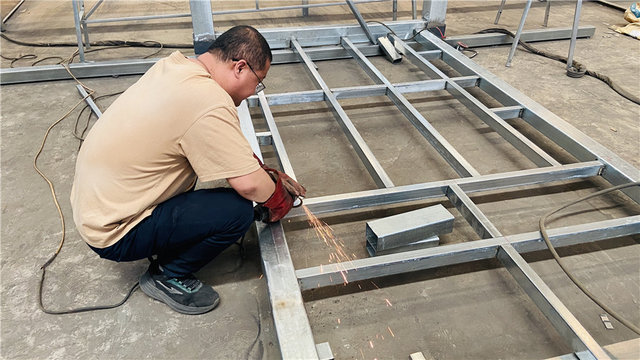
At Hangzhou CovetNest Build Co., Ltd., our engineering systems align with these European standards. Our manufacturing lines undergo regular audits to confirm that our cold-formed light-gauge steel framing, insulated composite wall panels, and structural connectors meet quality requirements. This simplifies the permit process for importing developers and provides assurance to local municipalities that the structural components comply with building safety regulations.
A detailed breakdown of performance, execution timelines, and sustainability metrics comparing CovetNest high-end prefab engineering with traditional cast-in-place concrete structures.
| Performance Criteria | Traditional On-Site Build | CovetNest CE Prefab Villas | Economic & Operational Impact |
|---|---|---|---|
| Construction Speed | 12 - 18 Months average project delivery | 3 - 4 Months (Factory + Assembly) | Up to 75% faster ROI for resort developers |
| Quality Control | Variable; subject to local weather and labor skill | Digital fabrication under ISO 9001 factory conditions | Consistently low tolerance variations (< 1mm deviation) |
| Thermal Insulation | Varies; requires extensive post-construction work | Pre-integrated SIP panels (U-Value < 0.18 W/m²K) | Reduces operational HVAC energy costs by up to 50% |
| Material Waste | 10% - 15% raw material waste typical | < 2% waste via computerized nesting software | Supports LEED, BREEAM, and global green building standards |
| Seismic Resistance | Depends heavily on on-site pouring/bar density | Lightweight high-tensile steel frames (Grade Q355) | Resilient in seismic zones with lower structural mass |
The rise of modular construction is driving shifts in real estate development, hospitality investment, and public sector infrastructure. As capital seeks to mitigate risk and optimize yield, the predictable timelines of modular systems make them a viable alternative to traditional builds.
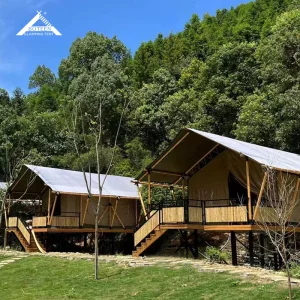
In the hospitality and leisure sectors, developers are utilizing modular prefabrication to deploy high-end eco-resorts, glamping destinations, and luxury beachfront villas. These structures are fabricated offsite, transported in containers, and assembled on screw-pile foundations with minimal disturbance to the local ecosystem. This speed of deployment allows operators to launch sites and generate revenue months ahead of conventional schedules.
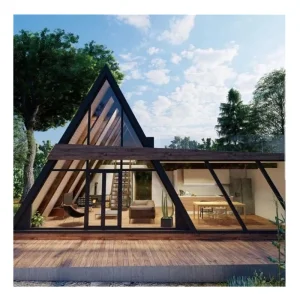
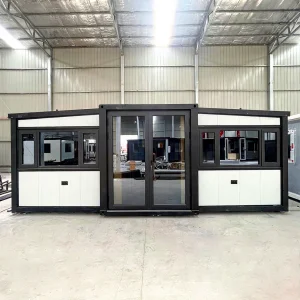
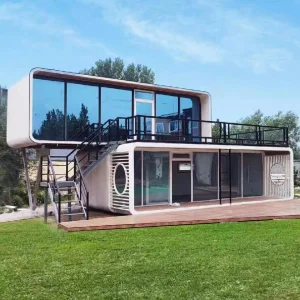
Designed for residential developers who require architectural customization, premium materials, and modern designs that blend into urban or remote landscapes.
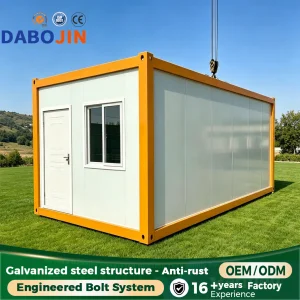
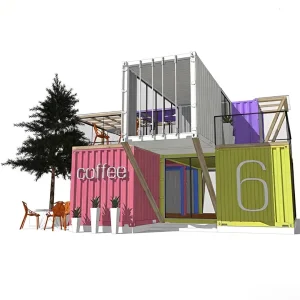
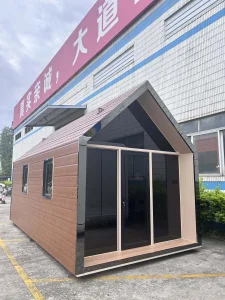
Customizable modular pods, cafes, container offices, and retail structures designed for brands requiring scalable and mobile solutions.
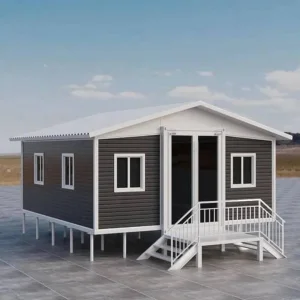
Modular schools, medical clinics, and relief shelters designed for fast deployment and engineered for structural safety and thermal control.
Every luxury prefab villa manufactured by CovetNest is a product of integrated structural engineering. Rather than treating prefabricated buildings as mere container modifications, our design methodology relies on structural light steel framing (LSF) and hot-rolled structural steel columns to create a robust, load-bearing load path. This design allows for large open-plan interiors and floor-to-ceiling glass facades without compromising structural safety.
We use high-tensile steel (Grade S350GD/Q355) with a zinc coating weight up to 275g/m² for resistance to corrosion and structural warping, particularly in coastal zones.
Our walls incorporate rockwool, PU (polyurethane), or PIR core insulation layers alongside fiber-cement boards to deliver thermal efficiency, structural integrity, and acoustic isolation.
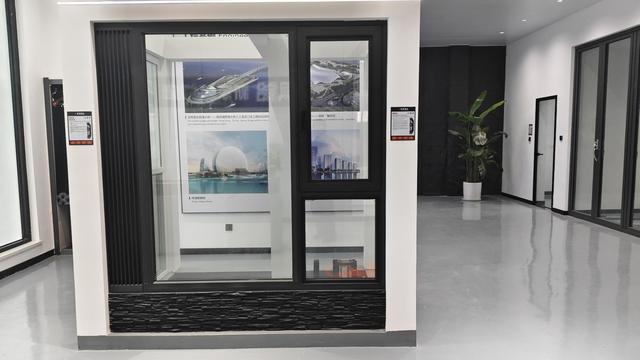
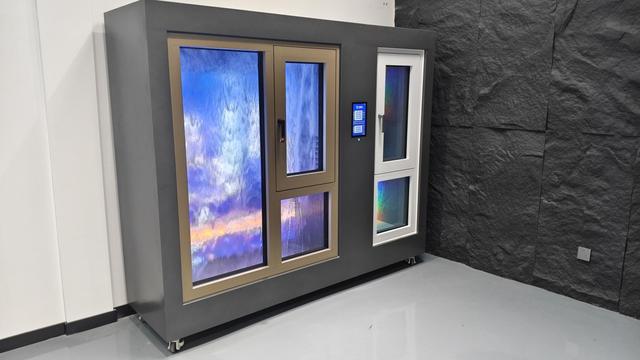
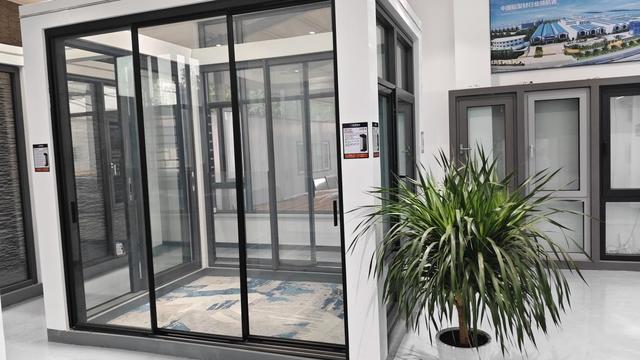
We feature double or triple-glazed argon-filled low-E tempered safety glass set within thermal break aluminum frames, achieving optimal thermal comfort and noise control.
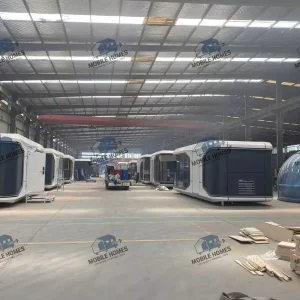
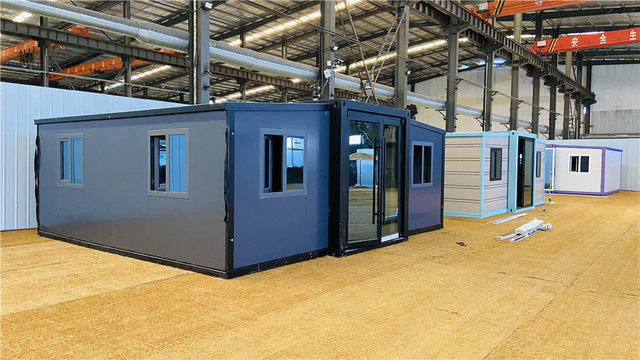
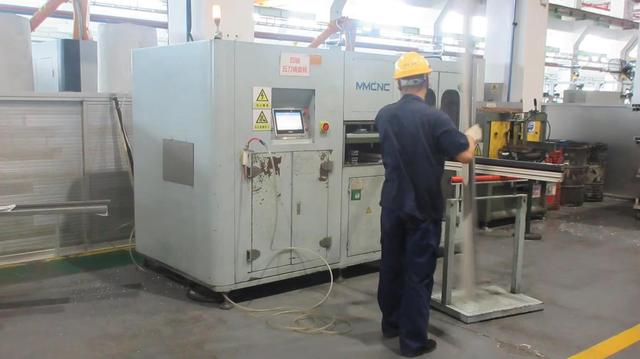
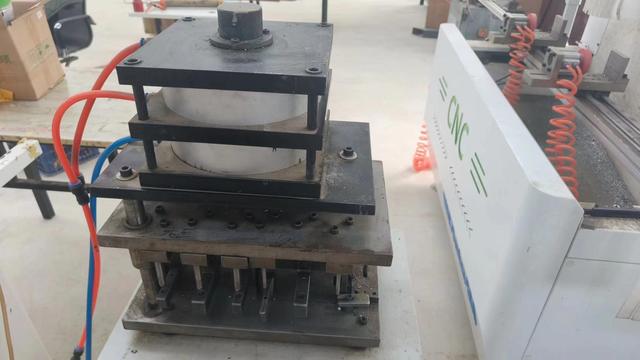
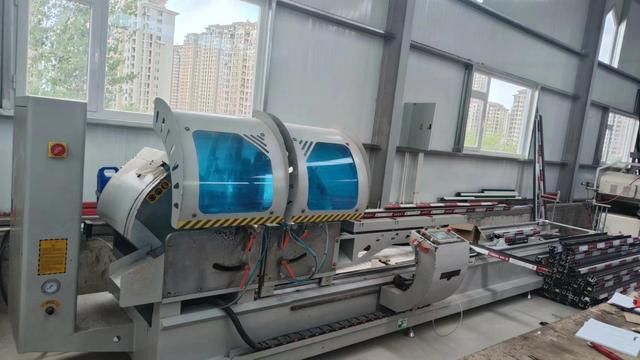
Our advanced production facility integrates precision engineering with scalable manufacturing capacity to serve global developers.
A key challenge in modular home procurement is ensuring that factory-built modules comply with local building regulations. CovetNest structures are engineered to adapt to regional building codes, including the Eurocodes in Europe, the IBC/IRC in North America, and the National Construction Code (NCC/BCA) in Australia.
Our engineering team works directly with our clients' local structural engineers. We provide detailed structural calculations, foundation layout plans, and MEP diagrams. This collaborative approach helps expedite the building permit process, ensuring compliance with local wind, seismic, and snow loads.
Shipping large modular units requires planning and execution. Our villas are structured in standardized dimensions to fit within ISO 40-foot High Cube containers or are shipped as flat-pack modules to optimize ocean freight rates. Every steel frame element and wall panel is labeled to match our detailed 3D step-by-step assembly guides.
For large developments, CovetNest can dispatch structural supervisors to the project site to oversee local construction crews during the unpacking and assembly phases. This support minimizes on-site errors and ensures that wall connections, waterproofing, and structural fasteners are installed according to engineering guidelines.
CovetNest modular villas are engineered to perform across diverse climates, from coastal resorts to rugged mountain terrains.
Designed with corrosion-resistant framing and paint coatings that withstand humid, salt-rich environments. The structural frame is rated to resist coastal storms, while large roof eaves provide natural shading.
Engineered for high snow loads and freezing temperatures. Features structural insulated panels (SIPs) and hydronic floor heating systems to maintain interior warmth while optimizing heating efficiency.
Self-contained capsule homes and eco-cabins that operate with minor environmental impact. Designed with plug-and-play connections for solar arrays and waste treatment systems.
At Hangzhou CovetNest Build Co., Ltd., we are committed to integrating new green building technologies into our modular systems. Our product development team works to incorporate sustainable materials, such as bio-composites and recycled insulation, to reduce the embodied carbon of our structures.
We are also updating our structural frame designs to include integrated photovoltaic (BIPV) systems. These systems turn roofs and facades into energy-generating surfaces, enabling villas to operate off-grid in remote locations. By utilizing advanced CAD platforms, we continue to optimize our production lines to minimize material waste and deliver efficient prefabricated homes.
Hangzhou CovetNest Build Co., Ltd. is a China-based luxury modular home manufacturer specializing in custom prefab villa solutions for residential, hospitality, and resort projects worldwide. With a focus on design, engineering, and sustainable construction, the company delivers premium modular housing solutions that combine modern design, quality materials, and comfortable living spaces.
The company offers a diverse portfolio of products, including luxury modular homes, custom prefab villas, contemporary prefabricated residences, modular resort villas, smart homes, vacation homes, and turnkey modular housing solutions. Designed to meet standards of aesthetics, comfort, and durability, CovetNest's modular structures help clients reduce construction time and onsite labor requirements.
Hangzhou CovetNest Build Co., Ltd. operates manufacturing facilities equipped with automated production lines, precision fabrication equipment, and quality management systems. Supported by a team of architects, engineers, and project specialists, the company provides comprehensive services, including architectural design, structural engineering, manufacturing, quality inspection, logistics coordination, and installation support.
Driven by innovation and sustainability, CovetNest integrates energy-efficient materials, smart home technologies, and environmentally responsible construction practices into its projects. The company's modular housing systems are used in luxury residences, vacation properties, hospitality developments, eco-resorts, and commercial accommodation projects across global markets.
Quality, integrity, and customer satisfaction are the core values of Hangzhou CovetNest Build Co., Ltd. Through continuous technological advancement and customer-focused service, the company has established long-term partnerships with clients throughout Asia, Europe, North America, the Middle East, Africa, and Oceania. CovetNest remains dedicated to creating premium modular living solutions that redefine modern luxury and deliver lasting value to customers worldwide.
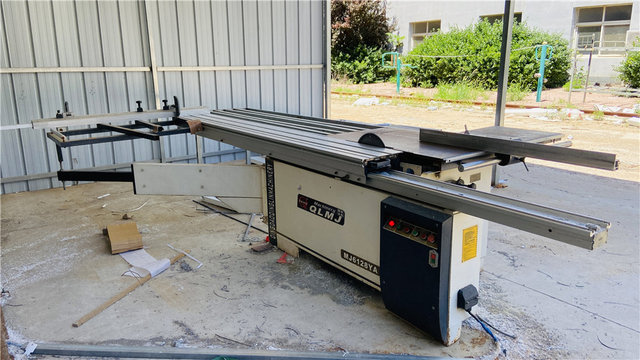
Expert insights on modular procurement, technical specifications, and shipping compliance.
Advanced space-capsule structures, institutional steel units, and modular layouts for global projects.
 CovetNest Build