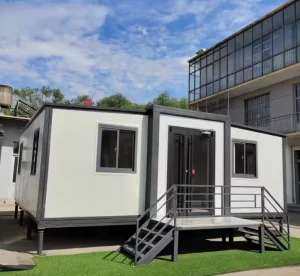
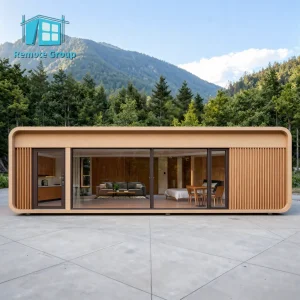
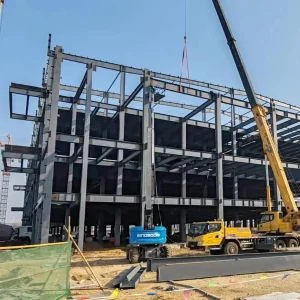
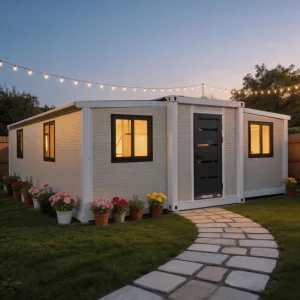
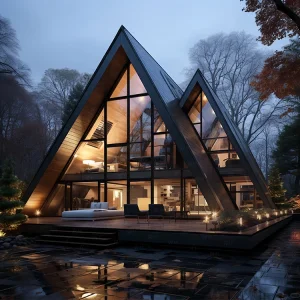
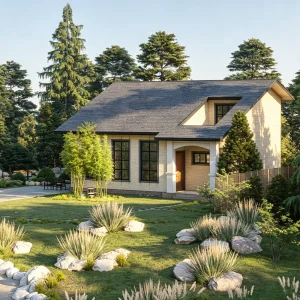
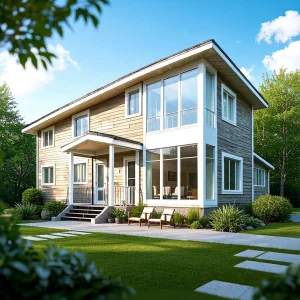
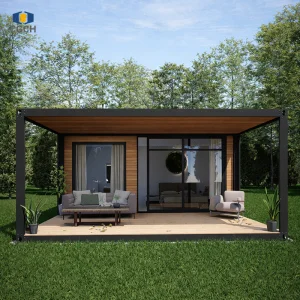
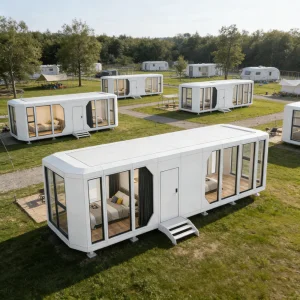
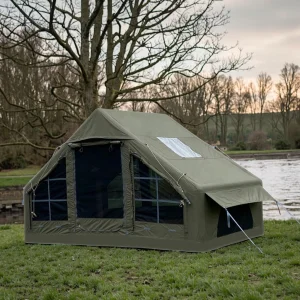
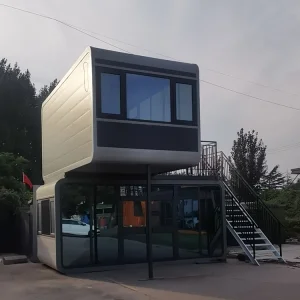
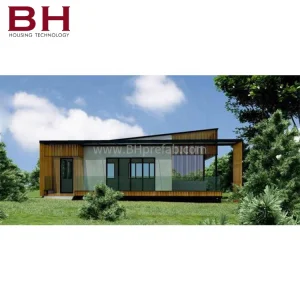
Browse our cutting-edge selection of modular structural accommodations, luxury glamping pods, multi-story steel frame hotels, and smart living capsules designed for high-yield commercial rental portfolios.
The global hospitality, glamping, and residential rental markets are experiencing a profound structural paradigm shift. Developers, land operators, and institutional hospitality investors are abandoning traditional, high-waste, on-site construction methodologies in favor of factory-built, high-precision, transportable architectures. At the forefront of this industrial revolution stands Hangzhou CovetNest Build Co., Ltd., a premier Chinese luxury modular home manufacturer specializing in custom prefab villa solutions for residential, hospitality, and resort projects worldwide.
With a core focus on structural innovation, advanced metallurgy, digital manufacturing, and eco-conscious construction practices, CovetNest delivers high-performance modular units that combine elegant architectural styling, advanced engineering, and turnkey plug-and-play operability. By shifting up to 90% of the building processes from the unpredictable outdoors to state-of-the-art climate-controlled factory floors, we mitigate weather risks, lower material waste, and accelerate return-on-investment (ROI) cycles for developers by up to 50%.
Prefabrication runs concurrently with site foundation works, slashing months off the critical path.
Hangzhou, Zhejiang stands as the global nerve center of advanced precision modular engineering. Decades of industrial clustering have yielded supply chain efficiencies that cannot be replicated elsewhere.
From advanced metallurgy (heavy-gauge hot-rolled structural steel columns) to localized Smart Home electronics, every material component is sourced, tested, and assembled within a 100km radius. This eliminates international sourcing delays and lowers raw material markup costs.
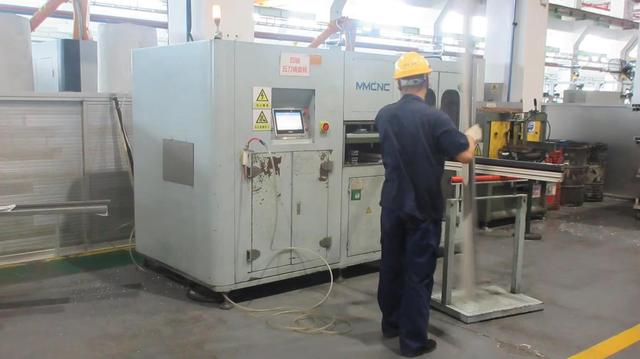
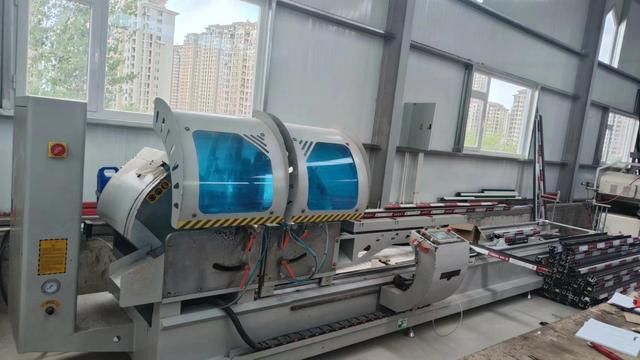
By employing high-definition CNC steel cutting and robotic welding arms, CovetNest maintains a structural dimensional tolerance limit of under 0.5mm. This prevents misalignment issues when multi-story structural pods are stacked on site.
Every modular unit engineered by CovetNest undergoes rigorous stress tests, including simulated wind loading (up to Level 12 Typhoon resistance), hydrostatic leak tests, acoustic insulation assessments, and heavy thermal profiling to ensure compliance with strict destination market regulations.
Understanding where the modular industry is moving allows commercial real estate developers to invest in future-proof assets. Over the next decade, the premium prefab rental landscape will be driven by four main pillars:
Passive house building standards are no longer optional. Modular units now integrate high-density polyurethane (PU) structural insulated panels (SIPs), triple-glazed low-E argon filled gas windows, and active heat recovery ventilation (HRV) units. This combination results in up to 65% reductions in HVAC energy expenditure, a massive benefit for off-grid boutique resort operators.
Modern luxury tourist cabins are built as smart ecosystem nodes. Pre-installed systems feature voice-controlled HVAC, electrochromic smart glass window tinting, keyless biometrical digital door access, and remote diagnostic energy meters. This optimizes operational cost curves for boutique rental businesses.
Unlike traditional heavy concrete foundations, modular homes use helical ground screw anchors. These foundations permit quick, clean installation, leaving the natural surrounding topsoil undisturbed. Should land leases expire, the entire resort infrastructure can be disassembled and transported to a new site with zero environmental footprint.
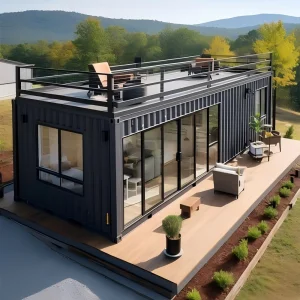
Rising residential real estate costs are forcing property owners to optimize underutilized land. Turnkey luxury backyard modular ADU studios and container cottages have emerged as high-yield, short-term rental opportunities, capitalizing on platforms like Airbnb and Vrbo.
Different geographies present distinct structural engineering, logistical, and building regulation code requirements. CovetNest systematically adapts modular designs for regional regulatory environments:
| Target Region | Primary Application | Structural & Thermal Engineering Adaptations | Compliance Certifications |
|---|---|---|---|
| North America (US & Canada) | Backyard ADUs, Eco-Glamping Cabins, Ski-Resort Chalets | R-value insulation upgrades (R-38 ceiling, R-21 walls), snow load enforcement up to 1.5 kPa, and structural steel framing designed in strict accordance with AISC standards. | UL listed electrical, IBC compliance, CSA A277 certification for Canadian jurisdictions. |
| Europe (UK, Germany, France) | Boutique Eco-Villages, Urban Micro-Apartments, Student Housing | Integration of non-combustible mineral wool insulation, double-action tilt-turn passive windows, and non-toxic interior finishes with zero-VOC emission ratings. | CE Mark compliance, UKCA conformity, Eurocode 3 structural standards. |
| Australia & Oceania | Remote Coastal Resorts, Mining Camps, Island Luxury Retreats | High-grade anti-corrosive structural painting C5-M marine rating, cyclonic wind engineering (Region C/D rating), and bushfire attack level (BAL-29 to BAL-FZ) mitigation. | AS/NZS 1170 structural load certification, NCC compliance. |
| Middle East & Africa | Desert Glamping Resorts, Remote Oil-Field Housing | Thermal envelope cooling barrier layouts, heavy-duty solar reflective exterior roof coatings, double-walled sand filtration ventilation systems, and high performance HVAC. | SABER platform clearance, GCC structural standards. |
Beyond individual residential builds, CovetNest supplies macro-level commercial solutions. We partner with commercial developer networks, private equity groups, and municipal planners to engineer modular systems at scale.
For resort brands looking to scale quickly, we supply standardized, high-end hospitality cabins. A 50-key modular resort can be manufactured, shipped, and assembled within 90 days. This accelerated path lowers construction financing interest rates and accelerates time-to-market.
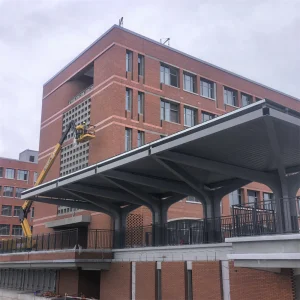
Using multi-story modular steel structures, we supply high-density, durable housing modules for student complexes, medical center dormitories, and urban renewal developments, combining rapid installation with superior structural performance.
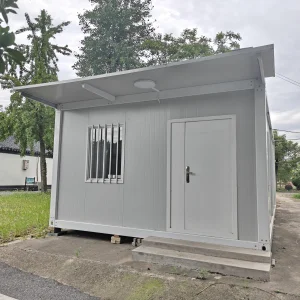
For remote extraction industries, we design heavy-duty prefabricated container camps. These structures feature self-contained wastewater purification, off-grid battery/solar storage integration, and robust build standards to withstand severe climates.
Procuring modular housing units from overseas requires a structured quality control pipeline. To ensure project delivery, CovetNest operates under a transparent, five-stage quality assurance protocol:
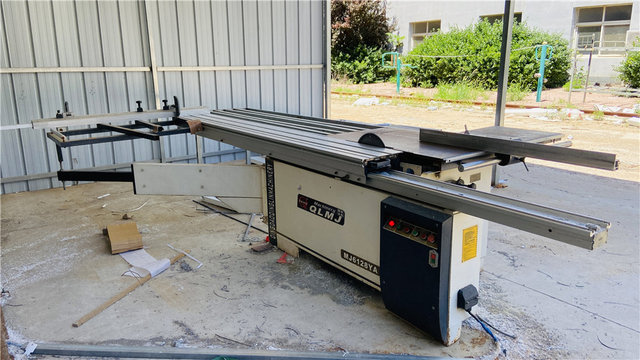
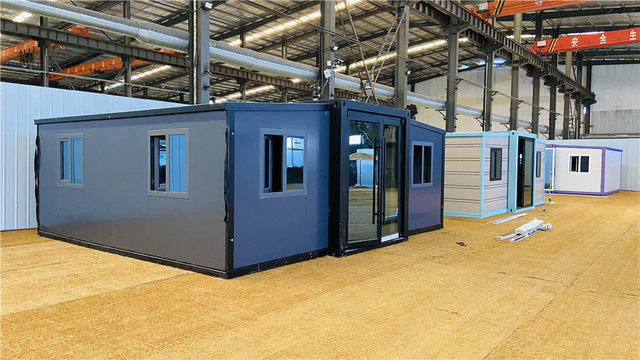
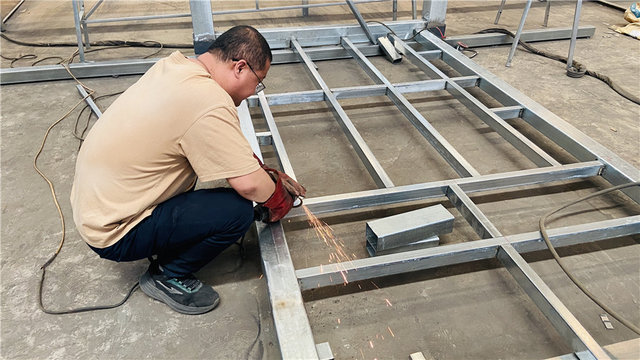
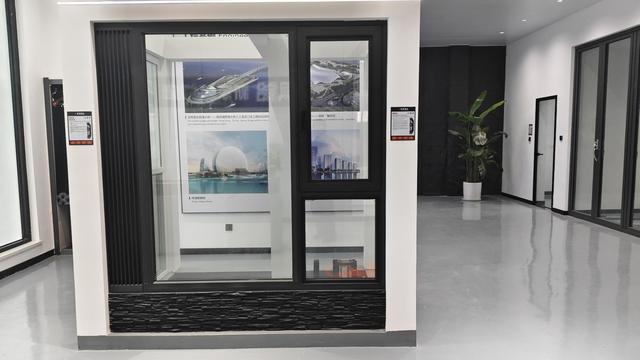
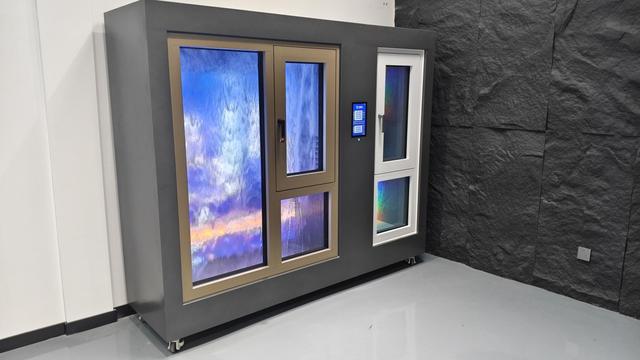
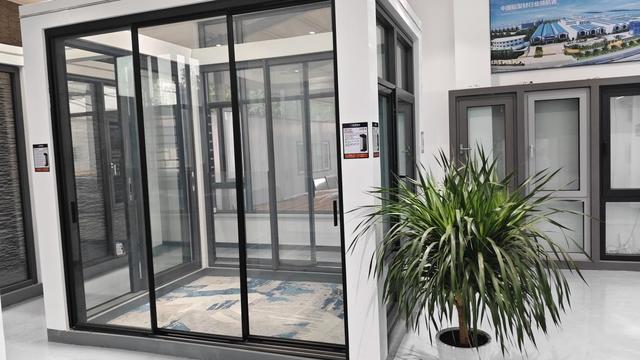
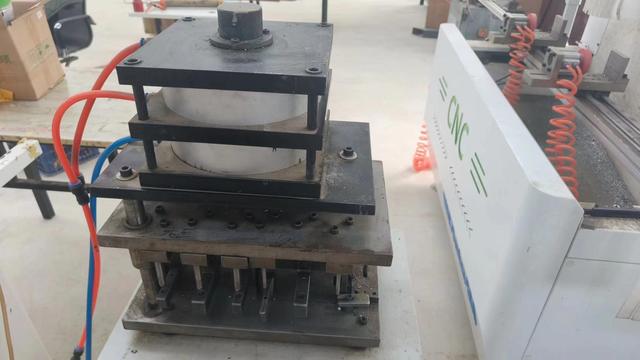
Take a look inside the engineering spaces of Hangzhou CovetNest Build Co., Ltd., highlighting our automated production runs, precision component fabrication, quality inspection checks, and worldwide delivery processes.
Find answers to frequently asked technical, logistical, and structural engineering questions about importing premium modular cabins and units from China:
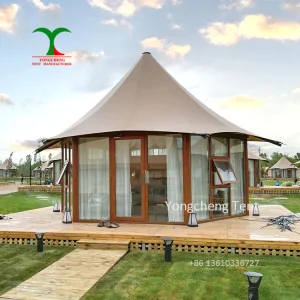
Explore our collection of triangular A-frame luxury villas, modular capsule pods, custom steel-framed bungalows, and weather-resistant glamping shelters engineered for rapid regional deployment.
 CovetNest Build