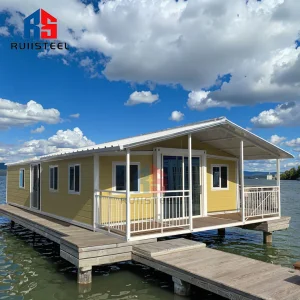
Beachfront Modular Homes Supplier & Exporter in the Greece Market

Redefining Coastal Living and Hospitality in the Aegean and Ionian Seas with Sustainable, High-Performance Modular Architectures

1. Greece Beachfront Real Estate Dynamics & Modular Adaptability

The Greek coastal real estate market is undergoing an unprecedented paradigm shift. Historically centered on slow, carbon-intensive traditional wet concrete construction, development along the Aegean and Ionian seas faces major ecological and logistical hurdles. Regulatory frameworks, notably the strict Natura 2000 environment protections, severely restrict on-site excavation, heavy vehicle machinery, and prolonged ecological disruption. Additionally, the fragmented geography of remote island ecosystems—such as Paros, Naxos, Mykonos, and Crete—makes transporting raw building materials like cement and aggregate incredibly expensive and operationally complex.

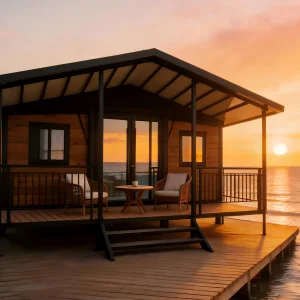
Furthermore, beachfront construction in Greece demands uncompromising compliance with seismic structural safety regulations. Located in a high seismic hazard zone, Greek constructions must strictly adhere to the Eurocode 8 structural codes. Traditional masonry often struggles to balance the load demands of large glass façades with high-strength structural frames. In contrast, precision-engineered steel-frame beachfront modular homes present an ideal structural response. The high strength-to-weight ratio of high-grade steel, coupled with factory-controlled execution, guarantees that prefabricated villas possess the lateral ductility required to withstand seismic forces while maintaining expansive, floor-to-ceiling sea views.

C5-M
Marine Corrosion Rating
Euro 8
Seismic Compliance
-50%
On-Site Install Time
98%
Material Recyclability

2. Global Modular Construction Trends: The Transition to Decarbonized Off-Site Manufacturing

On a global scale, the Architecture, Engineering, and Construction (AEC) industry is shifting toward modular off-site manufacturing (OSM) as a primary mechanism for ESG compliance. As real estate developers face pressure to reduce Scope 3 emissions, modular construction reduces overall energy use, limits material waste, and optimizes supply chains. Integrating building information modeling (BIM) with advanced computer-aided manufacturing allows modules to be manufactured concurrently with on-site foundation work, cutting project schedules by up to 50%.

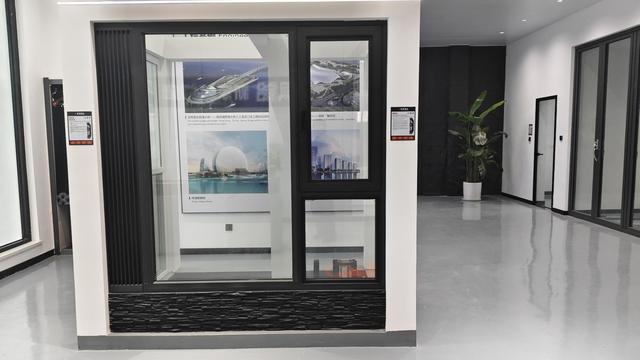
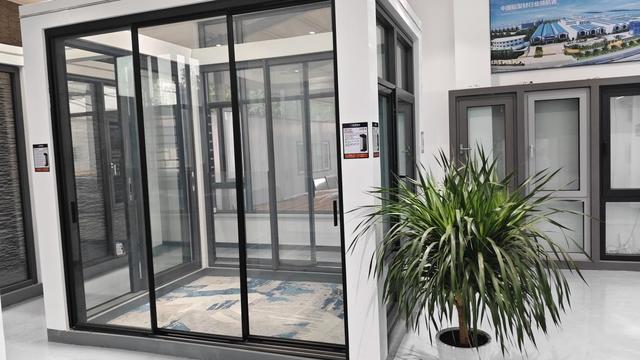
For high-density coastal areas, global demand focuses on high-performance envelope systems. Salt spray, humidity, and intense UV exposure cause rapid degradation of conventional buildings. Modern modular designs mitigate this by using specialized materials: hot-dip galvanized steel structures, thermal break systems, double or triple low-E structural glazing, and exterior fiber-cement claddings that mimic local stone or plaster. This delivers low-maintenance luxury homes with operational life expectancies exceeding 50 years under marine conditions.
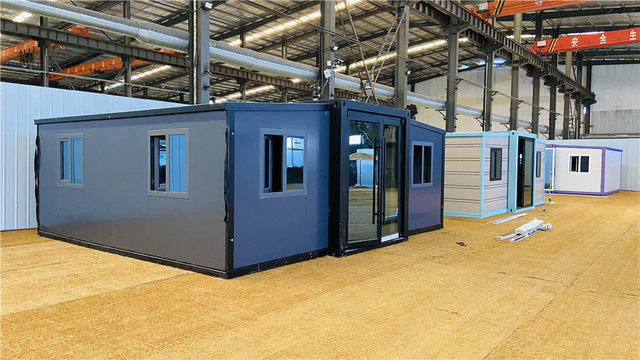
3. China Manufacturing Prowess: The Hangzhou CovetNest Efficiency Model

The manufacturing ecosystem of China, pioneered by industry-leading providers such as Hangzhou CovetNest Build Co., Ltd., acts as a primary catalyst for scaling modular installations globally. Based in Zhejiang's advanced industrial corridor, CovetNest utilizes direct access to world-class steel mills, automated robotic welding, and localized supply chains. This concentration of raw material sourcing and mechanical engineering expertise enables us to fabricate complex structural frames at a cost structure that is highly competitive with European builders.

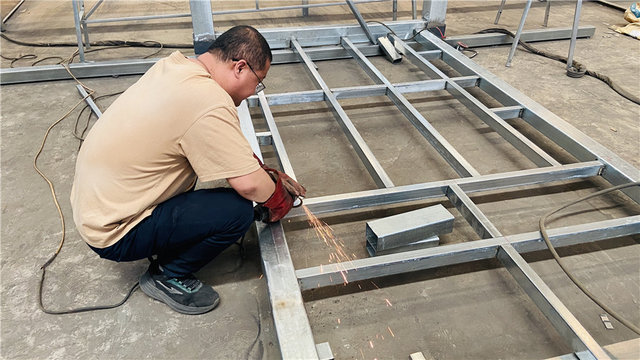
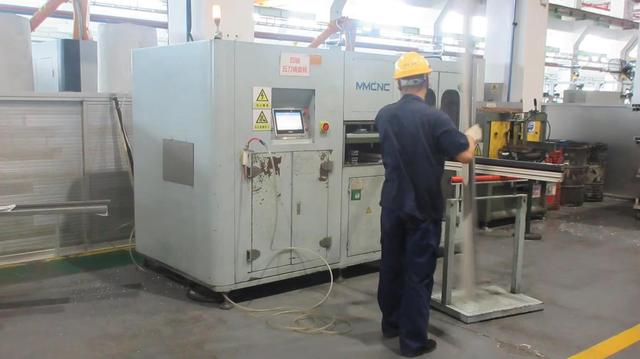
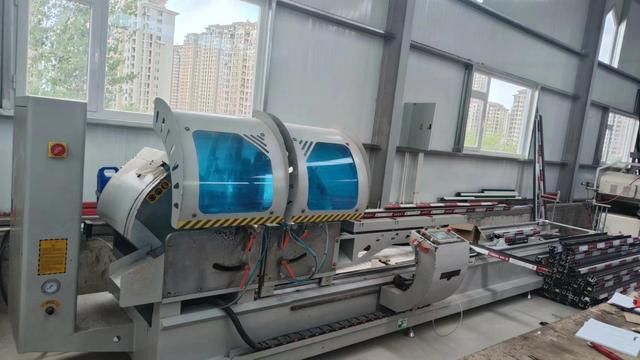
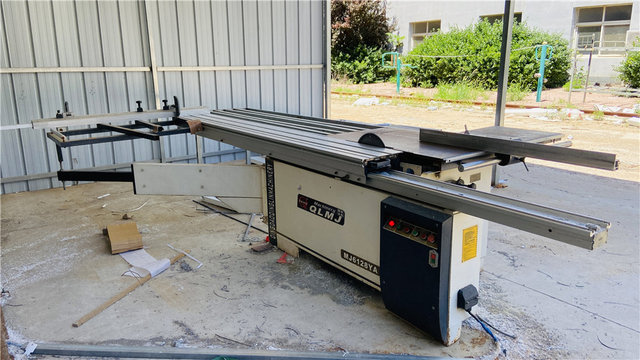
At CovetNest, modular fabrication follows a strict aerospace-grade assembly methodology. Standardized components are cut, drilled, and welded using automated robotic machinery to ensure sub-millimeter tolerances. Electrical, plumbing, and HVAC installations are integrated into the chassis under dry, clean factory conditions. This eliminates the risk of moisture retention or installation defects common to on-site assembly, ensuring that every beachfront villa exported to Greece meets strict quality standards.

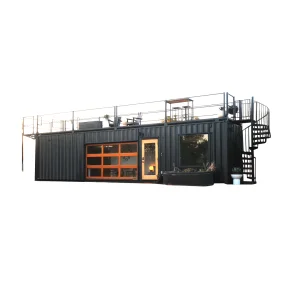
Furthermore, China's logistical infrastructure supports this process. Close proximity to major container ports, including Ningbo-Zhushan and Shanghai, allows CovetNest to ship modular units efficiently. Modules are optimized for shipping in standard 40ft High Cube containers or via specialized flat-rack ocean transport, ensuring seamless, cost-effective delivery to Greek transit hubs like Piraeus and Thessaloniki.

4. Localized Greek Use Cases: From Cycladic Boutique Hotels to Luxury Mainland Estates

Modular home applications are tailored to specific Greek regions, each presenting unique geological and aesthetic challenges:

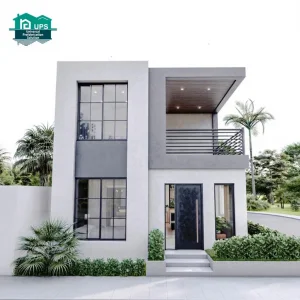
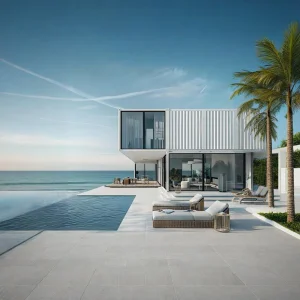
  • Cycladic Island Resorts (Mykonos, Santorini, Paros): Designs prioritize the iconic cubic, minimalist white aesthetics required by local architectural committees. Modules are engineered with clean geometric lines, flat roofs, and concealed rainwater harvesting systems, blending modern technology with local traditions.
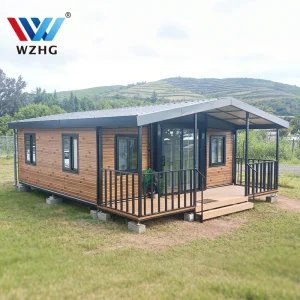
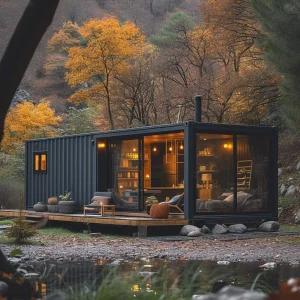
  • Peloponnese and Halkidiki Cliffside Estates: For rugged terrain, modular designs feature lightweight steel structural frames, which reduce the need for deep concrete foundations. Prefabricated modules are hoisted into place with minimal excavation, protecting the native pine forests and rocky coastal landscapes.
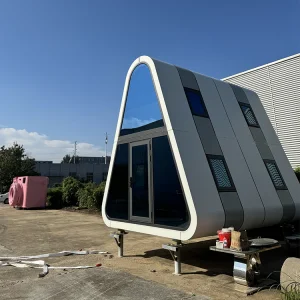
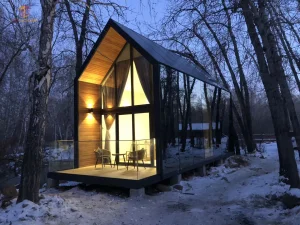
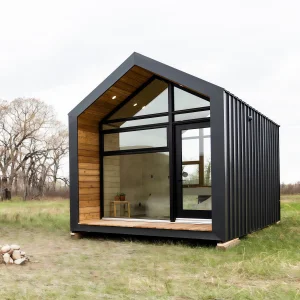
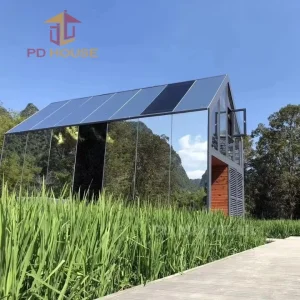
  • Eco-Tourism Glamping in Crete and Rhodes: A-frame cabins and expandable pod models offer dynamic, high-yield solutions for operators. These models can be installed within days and operate off-grid using integrated solar panel packages, making them ideal for eco-resorts.

5. Innovation Horizons: Smart Building Integration and Anti-Corrosive Technologies

The future of beachfront modular construction lies in the integration of smart building automation and highly durable material sciences. At Hangzhou CovetNest, research and development focuses on three primary fields:

Marine-Grade Anti-Corrosion (C5-M Classification): Standard structural steel is vulnerable to marine environments. CovetNest structures utilize heavy-duty hot-dip galvanization with a zinc coating thickness exceeding 80 microns, finished with fluorocarbon (PVDF) powder coats. This multi-layered barrier protects the frame from saltwater spray and humidity.

Integrated Smart Envelopes: Modern beachfront homes are equipped with IoT sensors that monitor indoor humidity, structural temperature, and envelope integrity. Automatic solar blinds adjust to intense Mediterranean sunlight, reducing HVAC load and optimizing energy efficiency.

Off-Grid Utility Systems: Advanced modular units are pre-piped for greywater recycling, and pre-wired for rooftop photovoltaic panels and energy storage systems. This enables modules to operate independently in areas with limited utility access.

6. Procurement Blueprint for International B2B Buyers & Developers in Greece

Purchasing modular homes internationally requires close coordination across design, engineering, compliance, and logistics. Below is the workflow established by Hangzhou CovetNest for Greek developments:

Phase 1: Architectural Customization & Compliance Mapping

Clients submit site parameters and local building conditions. Our engineering team refines the design to comply with both Greek structural requirements and Eurocode 8 seismic codes.

Phase 2: Factory Fabrication & Quality Control Inspections

Fabrication takes place in our Hangzhou facilities. Customers receive regular photographic and video updates, with complete quality reports issued at key production milestones.

Phase 3: Logistics, Ocean Freight & Island Customs Clearance

Modules are packed in seaworthy containers and shipped from Ningbo to Piraeus port. We supply all export documentation, including CE certification, material certificates, and structural calculation files, to facilitate local customs clearance.

Phase 4: Assembly & Local Contractor Handoff

A specialized installation team provides remote supervision or sends on-site technicians to assist local contractors with structural mounting, module connection, and final utility integration.

About Hangzhou CovetNest Build Co., Ltd.

A global leader in custom prefabricated villas, luxury modular homes, and resort developments.

Hangzhou CovetNest Build Co., Ltd. is a leading China luxury modular home manufacturer specializing in custom prefab villa solutions for residential, hospitality, and resort projects worldwide. With a strong commitment to innovation, craftsmanship, and sustainable construction, the company delivers premium modular housing solutions that combine sophisticated design, superior quality, and modern living experiences.

The company offers a diverse portfolio of products, including luxury modular homes, custom prefab villas, contemporary prefabricated residences, modular resort villas, smart homes, vacation homes, and turnkey modular housing solutions. Designed to meet the highest standards of aesthetics, comfort, and durability, CovetNest's modular structures provide customers with elegant living spaces while significantly reducing construction time and on-site labor requirements.

Hangzhou CovetNest Build Co., Ltd. operates advanced manufacturing facilities equipped with automated production lines, precision fabrication equipment, and rigorous quality management systems. Supported by an experienced team of architects, engineers, and project specialists, the company provides comprehensive one-stop services, including architectural design, structural engineering, manufacturing, quality inspection, logistics coordination, and installation support.

Driven by innovation and sustainability, CovetNest integrates energy-efficient materials, smart home technologies, and environmentally responsible construction practices into every project. The company's modular housing systems are widely used in luxury residences, vacation properties, hospitality developments, eco-resorts, and high-end commercial accommodation projects across global markets.

Quality, integrity, and customer satisfaction remain the core values of Hangzhou CovetNest Build Co., Ltd. Through continuous technological advancement and customer-focused service, the company has established long-term partnerships with clients throughout Asia, Europe, North America, the Middle East, Africa, and Oceania. CovetNest remains dedicated to creating premium modular living solutions that redefine modern luxury and deliver lasting value to customers worldwide.

Frequently Asked Questions

Technical and logistical insights for developers and buyers in the Greek market.

Are these modular homes compliant with Greek building regulations and Eurocodes?
Yes. All modular structural frames exported to Greece are engineered in accordance with Eurocode 3 (Steel design) and Eurocode 8 (Seismic design). We supply detailed structural calculation packets stamped by licensed structural engineers to facilitate local permitting processes.
How do the structures resist salt spray, high wind loads, and marine corrosion?
We use hot-dip galvanized steel frames combined with multi-layer C5-M marine-grade anti-corrosive coatings. External claddings are made of fiber cement boards and high-density composite materials that are UV-resistant, preventing color fading, splitting, or salt-air degradation.
What is the shipping cost and transit time from China to Greek ports?
Standard ocean freight transit time from Ningbo/Shanghai port to Piraeus port is approximately 28 to 35 days. Shipping costs fluctuate according to seasonal demand and container types (40ft HQ or Flat Rack). We coordinate closely with international freight forwarders to secure stable rates and efficient customs handling.
Can these modules be installed on remote Greek islands with limited crane access?
Yes. For sites with limited crane access or narrow island roads, we customize modules to be delivered in a flat-pack format or as smaller, light-steel sub-assemblies. These can be assembled on-site with lighter lifting equipment or manual labor.
What insulation and energy efficiency ratings are achieved by these modular systems?
Our modules feature high-performance insulation, including rock wool or polyurethane cores, thermal break aluminum profiles, and double or triple-glazed Low-E argon-filled windows. This combination delivers exceptional U-values, meeting and exceeding typical EU energy efficiency standards for residential buildings.