Explore our elite class of ready-to-deploy modular structures engineered for India's high-growth hospitality, commercial, and luxury residential sectors.
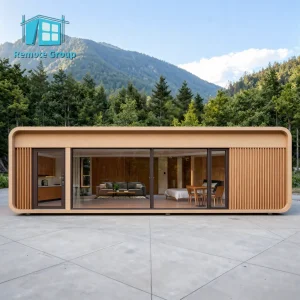
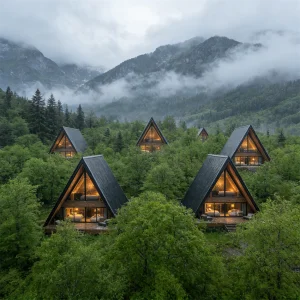
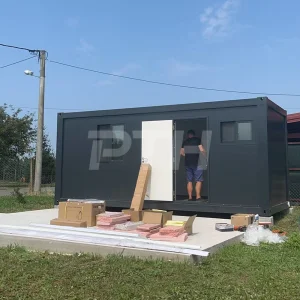
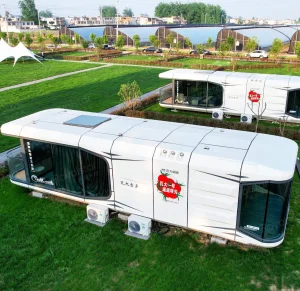
Analyzing macro-urbanization trends, off-site execution models, and structural innovations reshaping Indian real estate.
India is undergoing one of the fastest urban and commercial expansions in global history. By 2030, estimates show that over 40% of India's population will reside in urban spaces, prompting a critical demand for resilient, sustainable, and rapidly deployable infrastructure. Conventional brick-and-mortar construction struggles to match this speed, often plagued by resource shortages, quality variations, regulatory delays, and carbon-heavy footprints. This macro environment has transformed Smart Modular Homes from a futuristic option into an industrial necessity.
In highly regulated and high-density growth zones—such as Mumbai’s surrounding residential belts, Bangalore’s tech hubs, and the ecologically sensitive regions of the Himalayas and the Western Ghats—prefabricated modular structures represent a major paradigm shift. Using Light Gauge Steel Framing (LGSF) and advanced composite structural systems, manufacturers can construct up to 90% of a building within controlled factory environments. This minimizes construction disruptions, guarantees uniform structural engineering, and reduces deployment timelines by up to 60%.
Engineering customized structures compliant with IS 1893 (Seismic Design Codes) and wind load parameters up to 220 km/h, securing coastal and mountainous developments.
Eliminating weather delays and scheduling conflicts. A pre-engineered capsule or villa module can be anchored and operational within days of site foundation readiness.
Multi-layer insulation sandwich panels combined with double-glazed low-E window systems provide a high thermal barrier against extreme Indian summers.
| Parameters | CovetNest Smart Prefab Modular | Traditional Concrete & Brickwork |
|---|---|---|
| Timeline | 30 - 60 Days (Production to Setup) | 12 - 18 Months (Weather Dependent) |
| Thermal Insulation | High (Polyurethane/Rockwool Cores) | Poor (Requires Added Insulation) |
| Structural Waste | < 2% Waste via CAD/CAM Precision | 10 - 15% Waste on Site |
| Seismic Adaptability | Flexible High-Tensile Steel Frames | Brittle Concrete (Cracking Susceptible) |
| Smart Home Integration | Pre-wired Smart Protocols & IoT Control | Requires Expensive Post-Retrofitting |
Aligning international structural designs with local Indian certification systems and building regulations.
Exporting modular homes to India requires careful attention to compliance, climate variations, and logistical details. As a globally active manufacturer, Hangzhou CovetNest Build Co., Ltd. ensures all modular units meet the high standards of global code organizations (including CE, ISO9001, and SGS certifications) while aligning with the requirements of the National Building Code (NBC) of India 2016.
Our engineering teams specifically adjust modular structural frameworks for the diverse regions of India:
Regions like Himachal Pradesh and Uttarakhand require structures that can withstand snow loads, feature robust insulation, and meet Seismic Zone IV/V specifications. Our triangular chalets and LGSF cabins use heavy-gauge hot-rolled main support posts combined with cold-formed structural members to keep weight low while maintaining structural strength.
Coastal areas such as Goa, Kerala, and Odisha deal with high humidity, salty air, and seasonal monsoons. To prevent corrosion, CovetNest structures feature hot-dip galvanized steel framing (coating weight Z275) paired with marine-grade paints and anti-oxidation alloys.
From dry desert conditions in Rajasthan to busy tech centers in Pune and Noida, our systems feature double-glazed Low-E tempered glass and polyurethane insulation. These materials help lower HVAC energy use and provide excellent acoustic barriers in noisy urban settings.
A breakdown of our manufacturing standards, raw material grades, and smart IoT automation systems.
The primary frame of our capsule houses and modular structures consists of structural carbon steel (Grade Q235B to Q355B). It undergoes hot-dip galvanization and a multi-coat fluorocarbon paint finish to ensure durability. In addition to structural steel, our lightweight modular frames use high-tensile cold-rolled galvanite studs. This approach reduces overall load on the foundation while providing robust structural support against wind and seismic activity.
Our composite sandwich wall panels feature core insulation thicknesses of 75mm, 100mm, or 150mm using polyisocyanurate (PIR) or high-density rockwool. These insulation cores are flame-retardant (Class A rating) and provide thermal conductivity values as low as 0.020 W/(m·K), keeping interiors comfortable while lowering energy bills.
Every capsule and smart villa features custom automation hubs compatible with regional telecom bands (including Jio and Airtel). Key elements include voice-controlled lighting and HVAC systems, automated motorized curtains, smart lock entries, and leak detection sensors. These elements link back to a centralized tablet console and mobile app interface, offering a modern, integrated user experience.
Discover how developers use CovetNest modular designs for hospitality, residential developments, and commercial sites.
Traditional construction on steep mountain slopes can cause environmental damage. Our lightweight capsule houses require minimal foundation work, allowing rapid placement in locations with views of snow-capped mountains while preserving the surrounding landscape.
In tech corridors across Hyderabad, Bangalore, and Pune, business parks need flexible, modern workspaces. Our smart office pods provide private, soundproof meeting rooms and workspace zones that install quickly within existing campuses.
In coastal locations like Alibaug, Goa, and Chennai’s ECR route, landowners look for high-end second homes. Our luxury modular villas offer high durability against sea salt corrosion and feature modern designs with large panoramic windows.
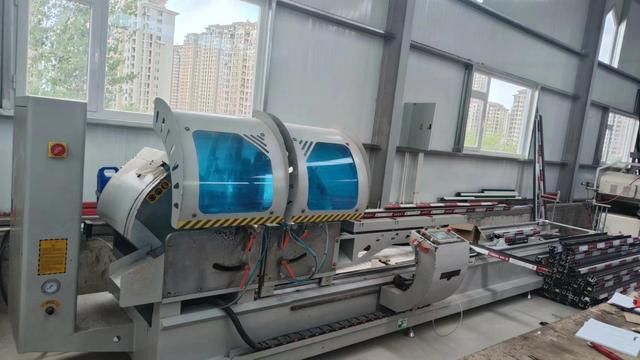
Take a look inside our manufacturing facility and inspect our production standards.
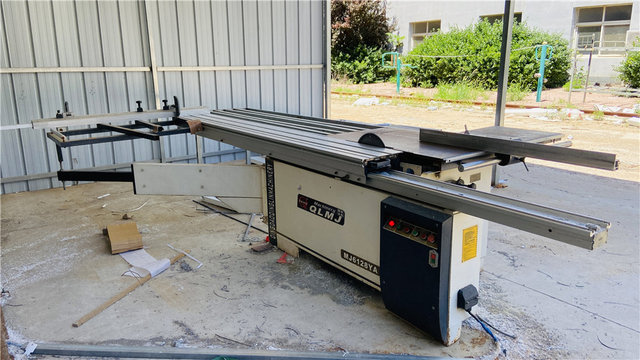
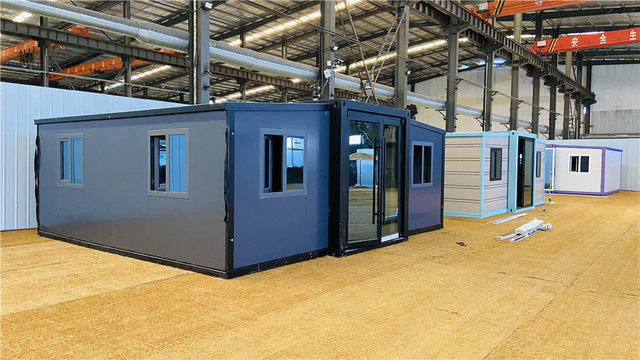
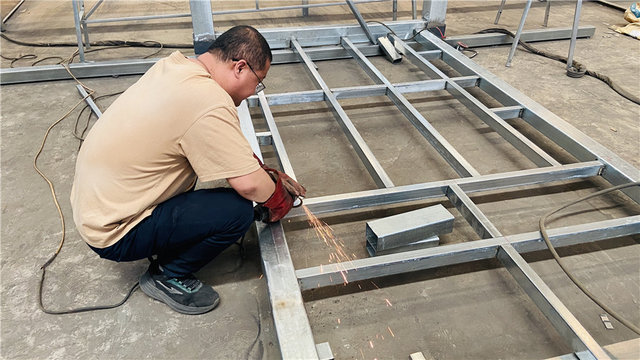
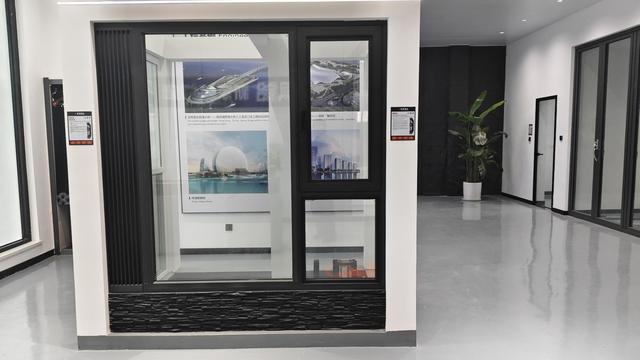
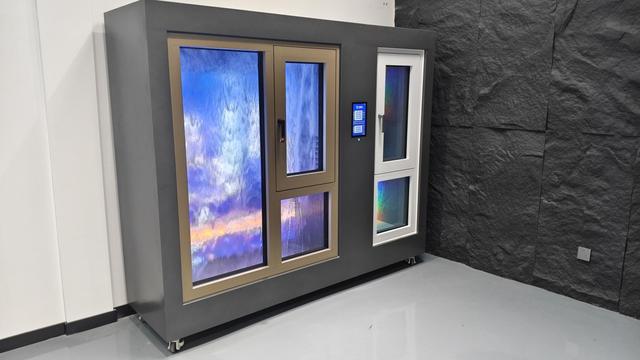
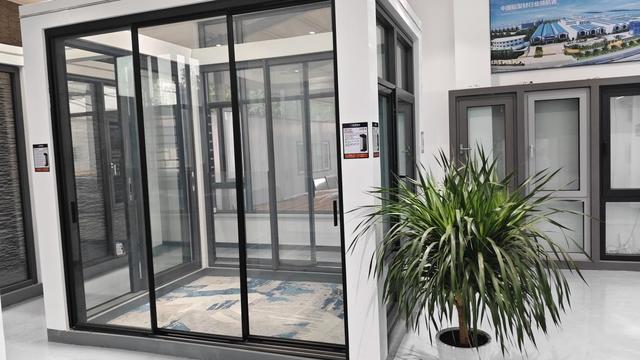
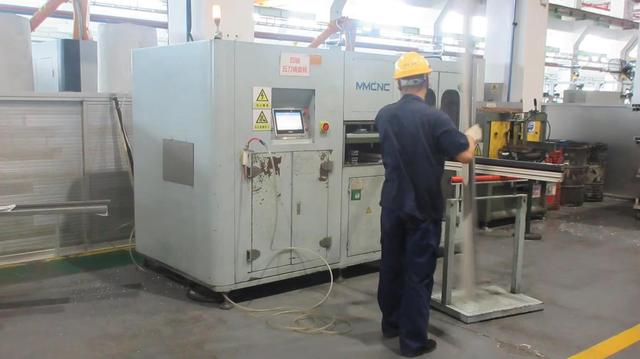
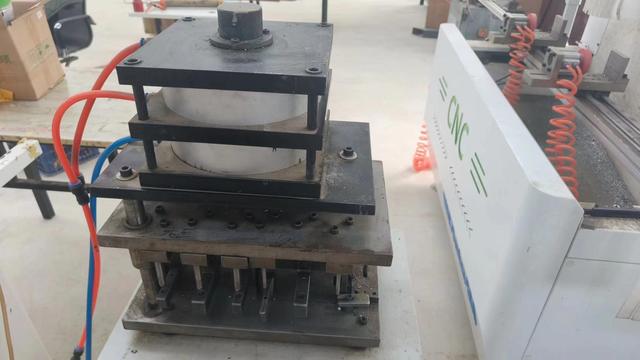
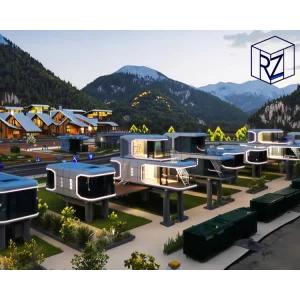
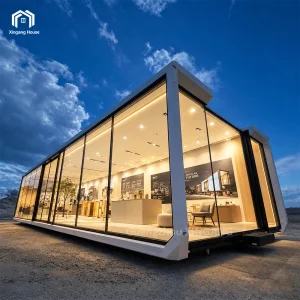
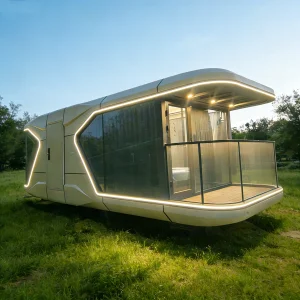
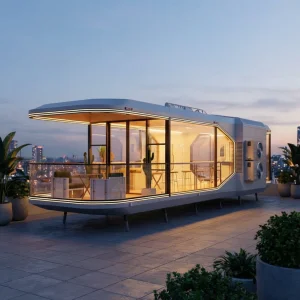
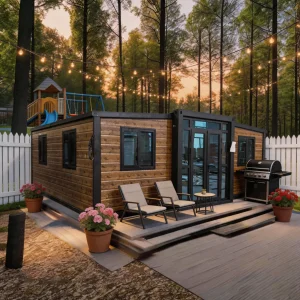
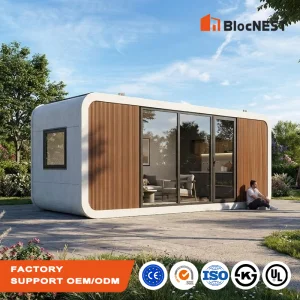
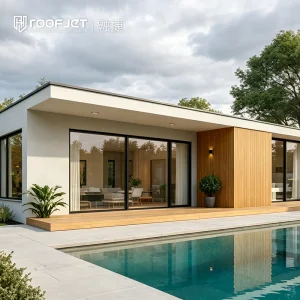
Select the design for your project: expandable container homes, smart cabins, or luxury space capsules.
A guide to importing prefabricated modular structures into Indian ports.
Prefabricated modular structures imported into India are classified under HS Code 94069000 (Prefabricated Buildings). Main shipping lanes originate from Chinese ports like Shanghai or Ningbo, arriving directly at major Indian container terminals, including:
Imports are subject to standard Basic Customs Duty (BCD), plus Integrated Goods and Services Tax (IGST), which is typically 18% for prefabricated steel framing. CovetNest provides detailed documentation, including certified packing lists, structural calculation logs, and Material Safety Data Sheets (MSDS), to support smooth customs clearance.
Local contractors prepare concrete foundations or pile anchors based on structural drawings provided by CovetNest.
Flat-pack containers or completed capsule cabins are transported to the site using standard flatbed trailers.
A local crane crew positions the modules onto the foundation. Electric, plumbing, and sewage lines are connected to complete the installation.
Sustainable practices and next-generation designs shaping the modular industry.
The future of modular housing focuses on self-sufficiency and circular building designs. At CovetNest, our development roadmap highlights three key target areas:
Integrating thin-film solar cells directly into structural roofing panels. This allows modules to capture solar energy without needing separate solar racks, which is ideal for remote eco-resorts in India.
Developing optional greywater filtration and rainwater harvesting setups that connect directly to our capsule pods, supporting sustainable operation in regions with limited water infrastructure.
Using smart sensors that track local weather shifts and adjust cooling patterns to minimize power draw during peak utility hours.
Answers to common questions about engineering standards, import logistics, and on-site assembly.
Yes. Every unit from Hangzhou CovetNest features a high-tensile structural steel frame (Q235B/Q355B) that provides flexibility and strength, allowing it to withstand Zone V seismic activity. The wind resistance ratings are certified up to 220 km/h, which conforms to IS 875 wind code parameters for Indian coastal areas.
Our smart space capsules and modular homes have a design lifespan of over 50 years for the primary structural framing. The outer shell uses weather-resistant aluminum alloys and galvanized coatings that resist rust, requiring minimal maintenance even in hot, humid climates.
We handle exports directly under FOB or CIF terms. Our team manages shipping details to major ports like Nhava Sheva (Mumbai), Chennai, or Mundra. We supply all necessary documents, including structural blueprints and CE certifications, to assist your customs broker with clearance under HS Code 94069000.
Yes, a basic foundation is required. Depending on the soil conditions and site topography, developers generally construct concrete ring beams, flat slabs, or screw pile foundations. We provide foundation drawings and anchoring guidelines for your local engineering team.
A premier manufacturer and global exporter of high-end modular residences.
Hangzhou CovetNest Build Co., Ltd. is a leading China luxury modular home manufacturer specializing in custom prefab villa solutions for residential, hospitality, and resort projects worldwide. With a strong commitment to innovation, craftsmanship, and sustainable construction, the company delivers premium modular housing solutions that combine sophisticated design, superior quality, and modern living experiences.
The company offers a diverse portfolio of products, including luxury modular homes, custom prefab villas, contemporary prefabricated residences, modular resort villas, smart homes, vacation homes, and turnkey modular housing solutions. Designed to meet the highest standards of aesthetics, comfort, and durability, CovetNest's modular structures provide customers with elegant living spaces while significantly reducing construction time and on-site labor requirements.
Hangzhou CovetNest Build Co., Ltd. operates advanced manufacturing facilities equipped with automated production lines, precision fabrication equipment, and rigorous quality management systems. Supported by an experienced team of architects, engineers, and project specialists, the company provides comprehensive one-stop services, including architectural design, structural engineering, manufacturing, quality inspection, logistics coordination, and installation support.
Driven by innovation and sustainability, CovetNest integrates energy-efficient materials, smart home technologies, and environmentally responsible construction practices into every project. The company's modular housing systems are widely used in luxury residences, vacation properties, hospitality developments, eco-resorts, and high-end commercial accommodation projects across global markets.
Quality, integrity, and customer satisfaction remain the core values of Hangzhou CovetNest Build Co., Ltd. Through continuous technological advancement and customer-focused service, the company has established long-term partnerships with clients throughout Asia, Europe, North America, the Middle East, Africa, and Oceania. CovetNest remains dedicated to creating premium modular living solutions that redefine modern luxury and deliver lasting value to customers worldwide.
 CovetNest Build