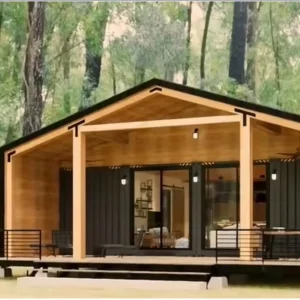
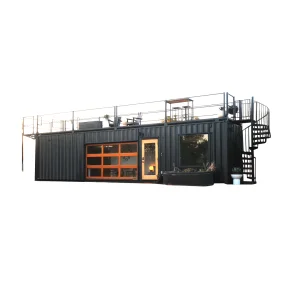
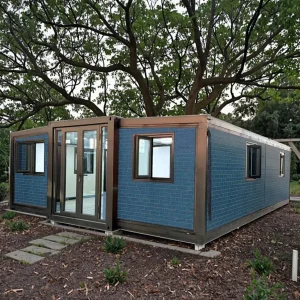
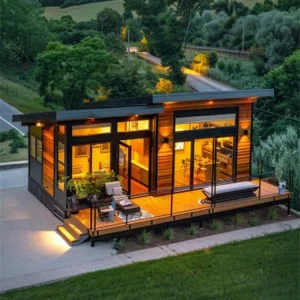
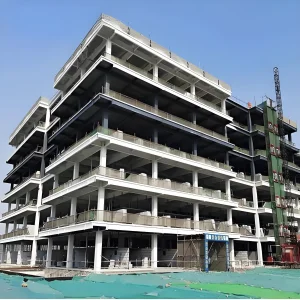
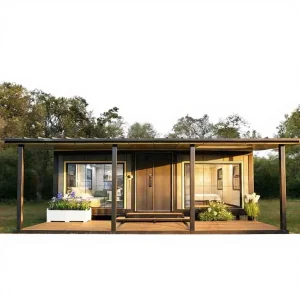
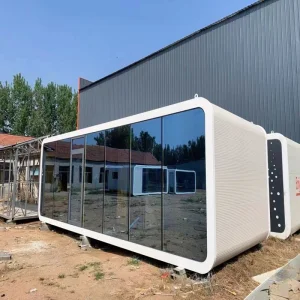
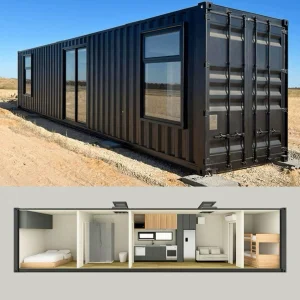
Explore our structural models designed for luxury living, heavy duty operations, and ecological resorts.
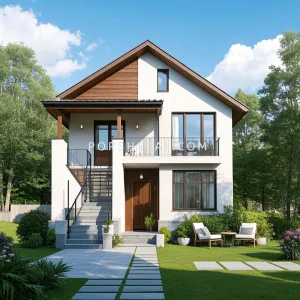
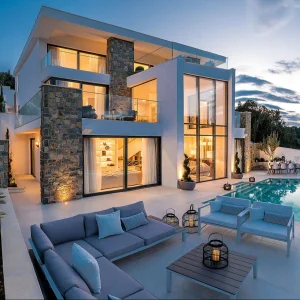
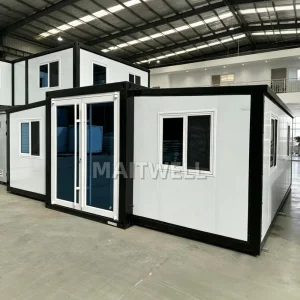
A Comprehensive Whitepaper on Custom OEM/ODM Capabilities, Material Innovations, and Global Supply Chain Integration in Modular Construction.
The construction sector is experiencing a monumental evolution. Traditional brick-and-mortar developments struggle under the weight of escalating labor costs, persistent skill shortages, and rigid environmental regulations. Innovative modular housing has emerged as the definitive solution. Prefabricated modules engineered off-site significantly mitigate project risk and accelerate time-to-market. By shifting up to 90% of construction tasks from chaotic field environments to climate-controlled factories, developers worldwide achieve unprecedented structural consistency and speed.
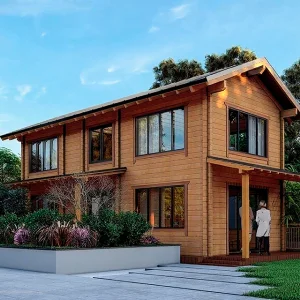
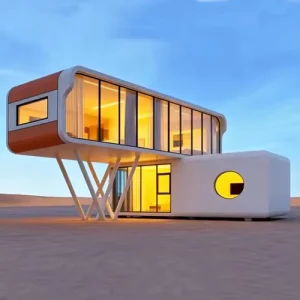
At the forefront of this industrial transformation is Hangzhou CovetNest Build Co., Ltd.. We serve as a leading China luxury modular home manufacturer, specializing in custom prefab villa solutions for residential, hospitality, and resort projects. By leveraging advanced materials and precision engineering, we offer solutions that combine sophisticated design with the efficiency of modern manufacturing. This paradigm shift is not merely about build speed; it represents a comprehensive upgrade in structural durability, life-cycle costs, and design flexibility.
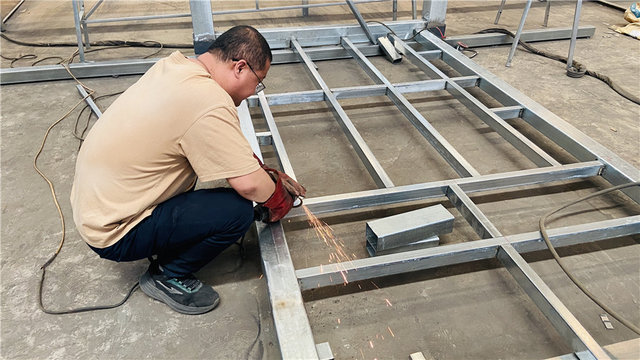
The integrity of modular houses relies on material science. Standard container systems often rely on basic steel framing and basic rockwool panels. In contrast, CovetNest designs structures to exceed regional codes. Our structural skeleton consists of hot-dip galvanized, cold-rolled light-gauge steel profiles (Q355 or equivalent), engineered to handle strong wind and seismic forces.
Our wall systems utilize high-performance composite layers:
This layered system results in modular villas that are waterproof, wind-resistant, and fire-retardant. The thermal performance reduces operational heating and cooling costs, lowering the overall carbon footprint.
"Modern modular building demands precision at the millimeter scale. Combining structural light-steel framing with magnesium oxide and OSB creates a durable envelope suited for coastal environments and cold zones alike."
We recognize that every market has unique requirements. A modular house designed for Maldives resorts needs different ventilation and corrosion resistance than a multi-family villa built in Northern Europe. Our design and manufacturing processes are fully customizable:
We translate conceptual architectural layouts into detailed 3D building information models (BIM). This guarantees absolute coordination of MEP (Mechanical, Electrical, Plumbing) pathways prior to manufacturing.
Whether adjusting floor loading parameters for high-occupancy commercial structures or selecting specialized steel treatments for coastal areas, we customize structural elements to suit local environments.
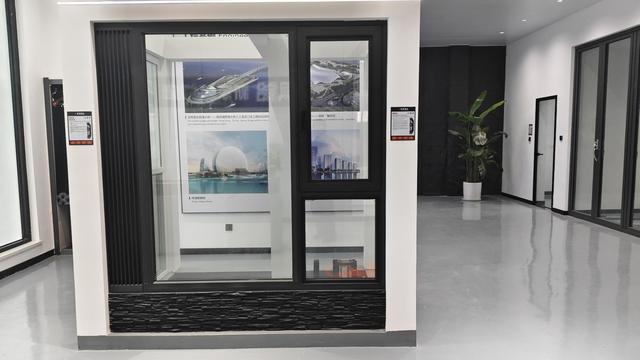
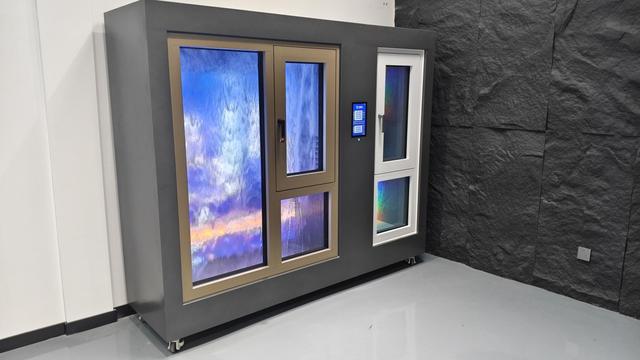
Choose from standard minimalist layouts to premium villas complete with solar kits, double-glazed low-E windows, custom millwork, and smart-home automation systems.
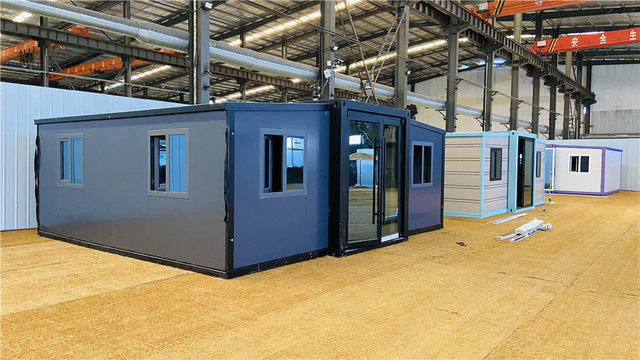
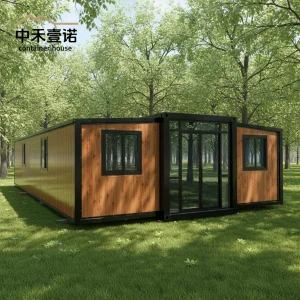
Managing international logistics is a critical step in modular home exports. Flat-pack modular systems and expandable container designs are engineered to match standard ISO shipping container dimensions. This ensures they can be loaded directly onto container vessels, minimizing ocean freight costs.
Upon arrival, our modular homes are designed for rapid assembly. A standard expandable container unit can be unpacked and erected in under two hours by a four-person crew. This speed helps developers reduce on-site labor costs, reduce project delays, and minimize local environmental impact.
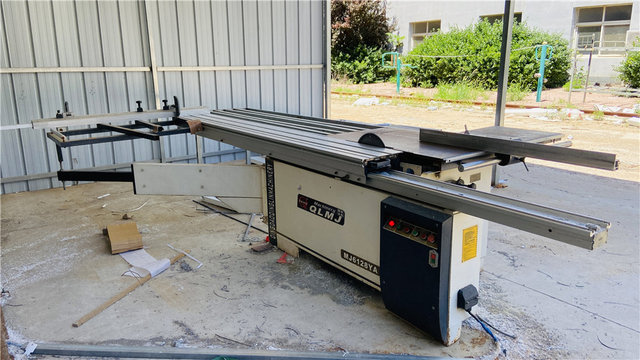
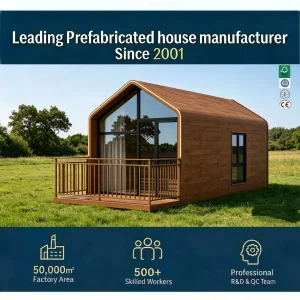
Hangzhou CovetNest Build Co., Ltd. operates advanced manufacturing facilities equipped with automated production lines, precision fabrication equipment, and rigorous quality management systems.
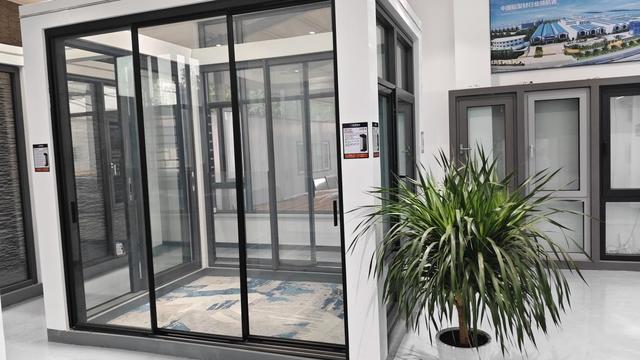
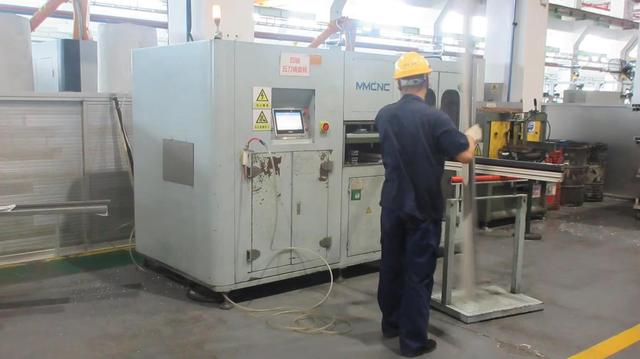
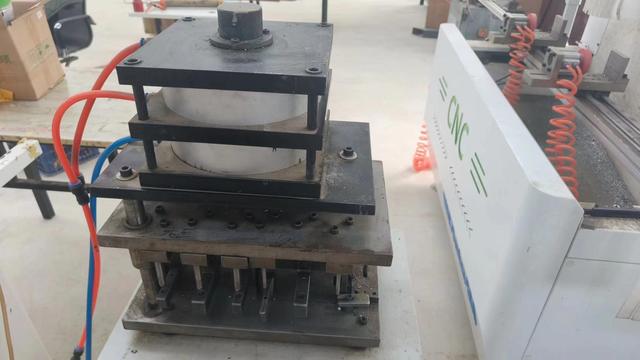
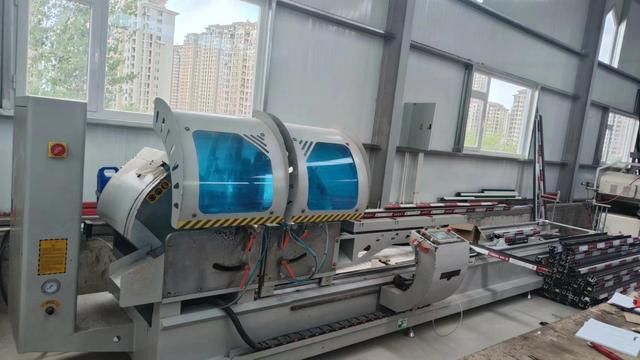
Building regulations vary widely by country. For example, Australia relies on the BCA (Building Code of Australia) and AS/NZS standards, the USA requires compliance with IBC/IRC standards, and European markets enforce the Eurocodes. CovetNest addresses these requirements through local-code compliance engineering:
The modular housing industry is moving toward smart, off-grid solutions. CovetNest is actively developing technology in three key areas:
Technical and commercial answers to help streamline your procurement decisions.
Our light steel structure villas are designed for a service life of 50 to 70 years. The primary structural components are hot-dip galvanized or treated with anti-corrosion coatings to protect them from environmental wear and structural aging.
Magnesium Oxide (MGO) boards provide higher structural strength, moisture resistance, and fire resistance than standard gypsum. They help prevent mold growth and maintain structural integrity during maritime shipping and in humid tropical climates.
Yes. We customize electrical wiring, conduit systems, and plumbing to meet AS/NZS 3000 (Australia/NZ), NEC/UL (USA/Canada), or CE/BS standards. This ensures the modules comply with local utility requirements upon delivery.
For colder climates, we offer up to 150mm PU or high-density Rockwool insulation core options, double or triple-glazed Low-E argon-filled windows, and thermal break frames to minimize thermal bridging.
We pack our flat-pack and modular units directly into high-cube shipping containers. From design sign-off, production generally takes 30 to 45 days. Shipping times vary depending on the destination port.
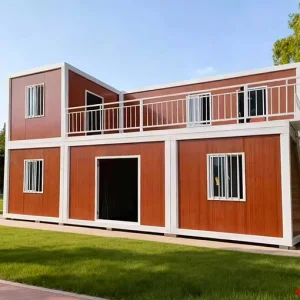
Explore additional modular architectures, from folding designs to high-strength container frameworks.
 CovetNest Build