Engineered for immediate configuration, structural permanence, and rapid global installation.
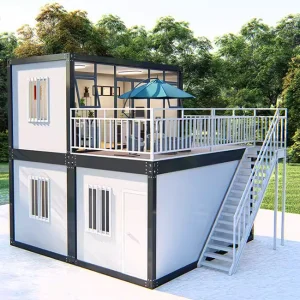
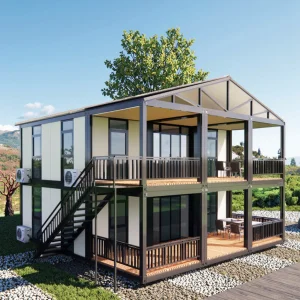
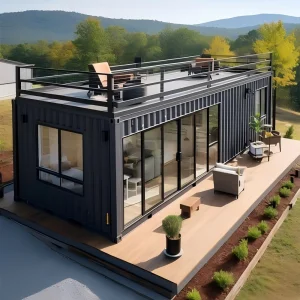
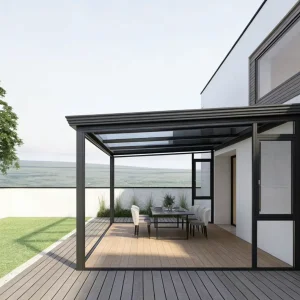
Analyzing global demand structures, land density initiatives, and the rise of volumetric export corridors.
The global housing sector is experiencing a generational shift toward Off-Site Construction (OSC) and Volumetric Modular Engineering. Accessory Dwelling Units (ADUs), commonly categorized as modular garden suites, backyard offices, or guest homes, are no longer considered temporary or secondary shelters. Today, they represent sophisticated, asset-class extensions designed to enhance property value, generate rental income, or support commercial hospitality ventures. Driven by urban densification policies, zoning reforms (such as California's relaxed ADU bills and similar regulations in the UK, Australia, and Canada), developers and institutional buyers are seeking out reliable global manufacturing partners to supply high-quality modular units at scale.
A key challenge in this market is finding exporters who can balance competitive pricing with strict local building codes. In regions like North America, Europe, and Oceania, importing modular garden suites involves dealing with complex logistics, custom clearance, structural integrity rules, and strict energy-efficiency criteria. This whitepaper analyzes the capabilities, supply chain strategies, and compliance frameworks that distinguish the top modular exporters in China—led by innovators like Hangzhou CovetNest Build Co., Ltd.—from standard local builders.
Leveraging industrial clusters, advanced engineering, and comprehensive turnkey services.
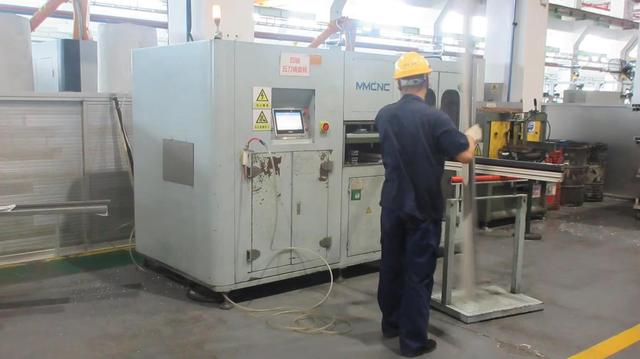
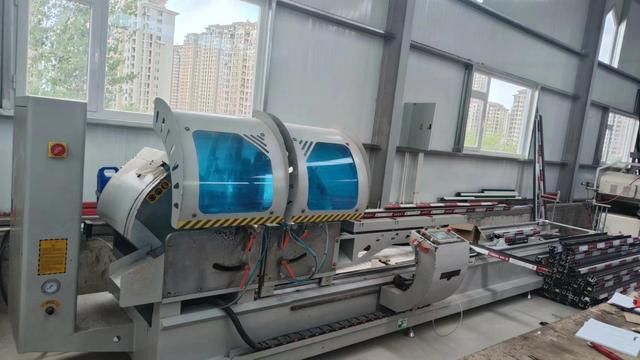
Standard residential builds often suffer from manual execution errors. Modern Chinese factories use advanced automated tooling, high-precision robotic welding, and automated cold-formed steel roll-forming machines. This ensures structural tolerances are kept below 1mm, guaranteeing seamless on-site assembly.
Located in major industrial and maritime hubs, Chinese manufacturers benefit from direct access to raw materials, double-glazed glass producers, structural insulated panel (SIP) suppliers, and top-tier plumbing/electrical component manufacturers. This deep integration keeps costs competitive while maintaining high quality standards.
Top exporters employ systematic quality control workflows, including full factory test assemblies, water tightness testing, weld inspections, and strict verification of electrical systems to guarantee international safety compliance before delivery.
Hangzhou CovetNest Build Co., Ltd. is a prime example of this industrial capability. As a leading Chinese luxury modular home manufacturer, the company focuses on custom prefab villa solutions for residential, hospitality, and resort projects worldwide. By combining design expertise, modern craftsmanship, and eco-friendly construction techniques, they supply premium modular housing lines that offer refined designs, reliable performance, and comfortable modern living spaces.
CovetNest's diverse product range includes luxury modular homes, custom prefab villas, modern prefabricated residences, modular resort villas, smart homes, vacation homes, and turnkey housing systems. These products are engineered to meet global standards for aesthetics, comfort, and structural durability, allowing developers and project owners to significantly compress build schedules and reduce on-site labor costs.
Meeting regional codes and local compliance demands is critical for international modular suite procurement.
The primary barrier to successfully importing modular structures is securing local regulatory approval. While a standard steel shell is simple to export, engineering a fully completed volumetric unit with integrated plumbing, electrical lines, and insulation that complies with local building authorities requires deep technical knowledge and experience.
Exporting to different global jurisdictions requires adherence to specific structural and environmental standards:
| Target Region | Primary Building Standards | Key Compliance Criteria | Factory Integration Strategy |
|---|---|---|---|
| United States & Canada | IRC (International Residential Code), IBC, CSA A277, local state ADU regulations. | Snow load calculations, seismic drift resistance, NEC-compliant electrical systems, Title 24 insulation values. | Ul-listed electrical panels, certified copper piping, PEX plumbing runs, and calculation sheets stamped by licensed US engineers. |
| European Union | Eurocode 3 (Steel structures), Eurocode 8 (Seismic design), CE marking directives. | Thermal transmission limits (U-values below 0.18 W/m²K), structural safety, and low-VOC interior materials. | Structural calculations backed by SGS/TÜV testing certificates, eco-friendly mineral wool insulation, and EN-certified windows. |
| Australia & New Zealand | BCA (Building Code of Australia), AS/NZS 1170 (Structural design actions), AS3000 (Electrical). | High wind zone engineering (up to Category 5 cyclonic), Bushfire Attack Level (BAL) compliance, water barrier membranes. | Hot-dip galvanized structural frames (min. 275g/m² zinc coating), non-combustible cladding panels, and WaterMark-certified components. |
To address these requirements, Hangzhou CovetNest Build Co., Ltd. operates advanced, modern production facilities equipped with automated manufacturing lines, high-precision tooling, and strict quality control protocols. Backed by a multidisciplinary team of architects, engineers, and supply chain specialists, they provide a full range of services—including architectural design, structural engineering, manufacturing, comprehensive QA checks, shipping coordination, and detailed on-site installation guides.
From luxury eco-resorts to urban infill, modular suites provide versatile spatial solutions.
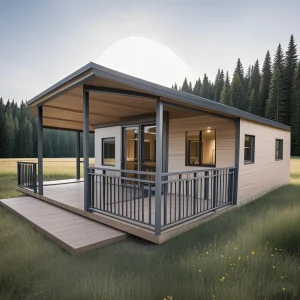
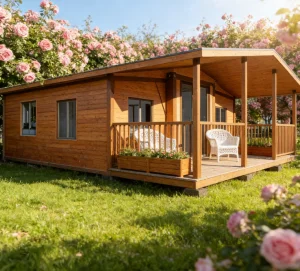
Homeowners and real estate developers use modular suites to build high-end Accessory Dwelling Units in backyards. These suites work well as rental units, multigenerational living quarters, or home offices. Because they are assembled off-site, local neighborhood disruption is minimal.
Boutique hotels and nature lodges rely on volumetric pods to deploy luxury guest rooms in remote locations, like beaches, mountains, or forests. Their light foundation footprint helps preserve the natural landscape.
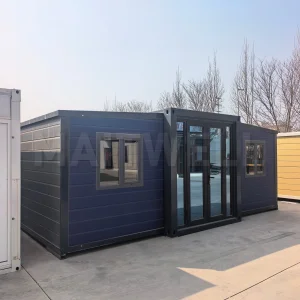
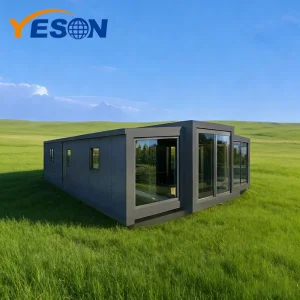
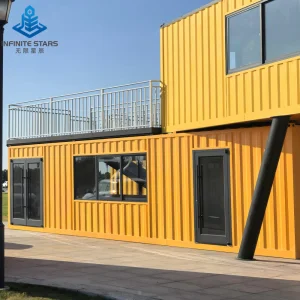
Government bodies and industrial contractors need rapid, durable, and weather-proof housing solutions. Expandable modular containers and flat-packs can be transported easily and deployed in days to establish safe, clean community spaces.
Exploring zero-carbon footprint design, smart building management integration, and advanced factory photos.
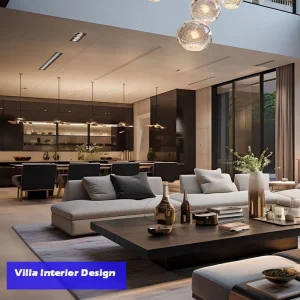
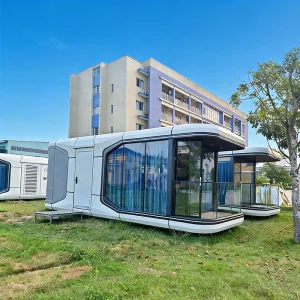
The modular housing sector is evolving beyond basic steel boxes. The industry is moving towards highly integrated, smart-enabled living units. These designs focus on eco-friendly materials, energy-efficient building envelopes, and smart home technology. By using low-carbon steel frames, wood-plastic composite (WPC) cladding, and smart energy monitors, modern exporters are creating structures that achieve close to zero-carbon footprints over their lifecycles. Furthermore, advanced factory lines allow for pre-installing smart HVAC systems, voice-controlled lighting, and integrated solar panel hookups directly during the assembly phase.
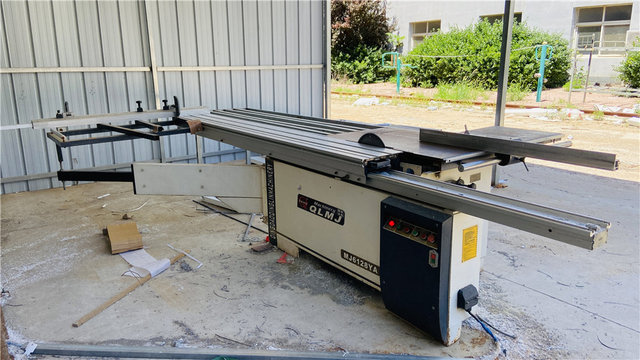
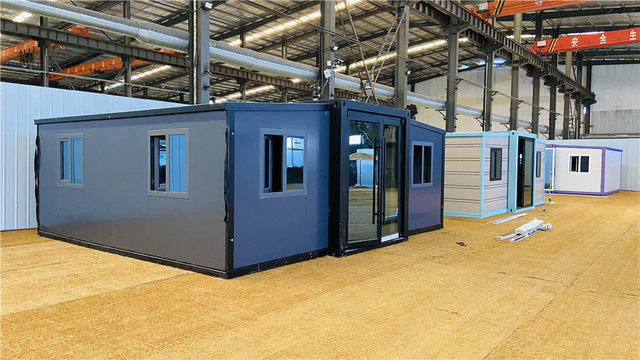
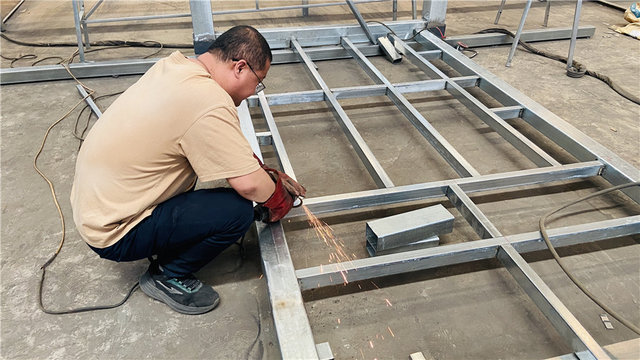
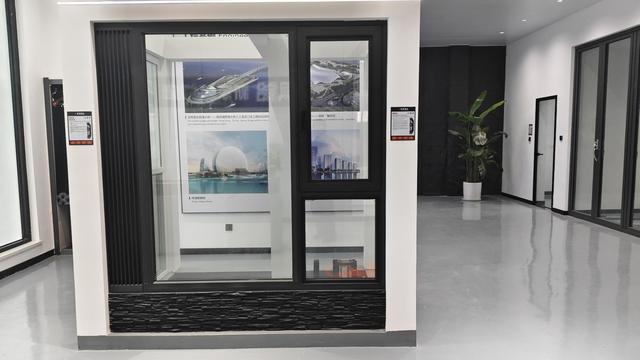
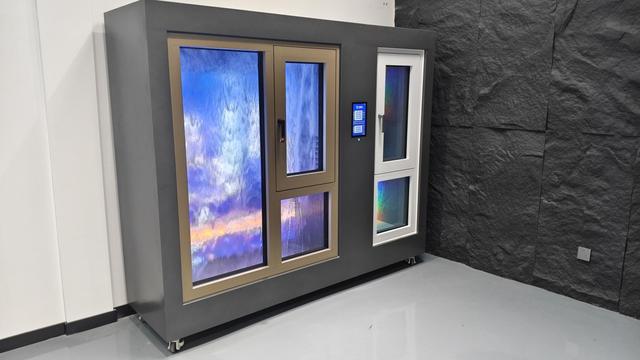
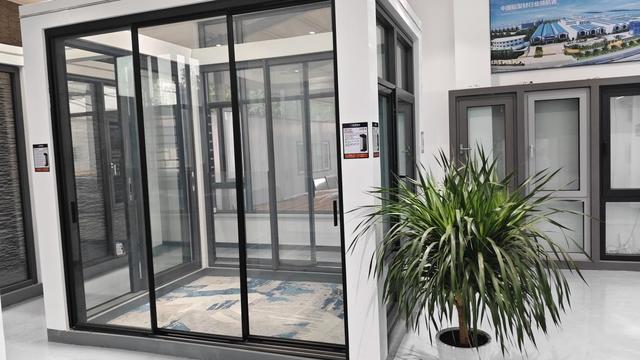
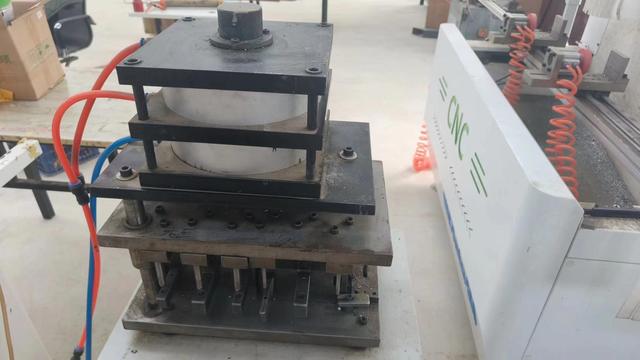
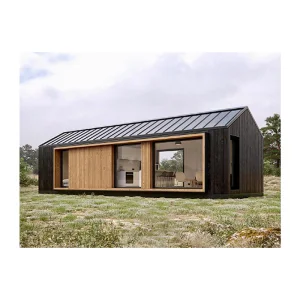
Below is a direct visual showcase of the manufacturing capabilities, raw materials, and completed structural frame layouts produced inside the modern facility of Hangzhou CovetNest Build Co., Ltd.:
Step-by-step framework for developers to mitigate risks during overseas modular purchases.
Purchasing modular garden suites from overseas manufacturers requires careful preparation to manage risks. B2B buyers should evaluate potential partners using a clear, multi-step procurement process:
By using energy-efficient materials, smart systems, and sustainable production processes, companies like CovetNest help clients build eco-friendly projects. Their modular housing systems are used in luxury residential developments, vacation rentals, eco-resorts, and commercial properties across Asia, Europe, North America, the Middle East, Africa, and Oceania.
Expert technical answers regarding structural durability, localization options, shipping, and installation.
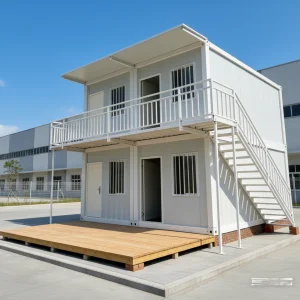
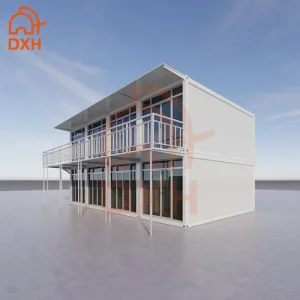
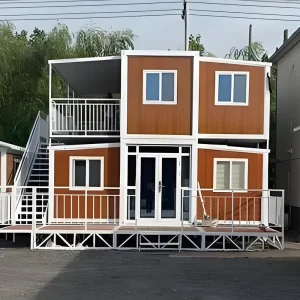
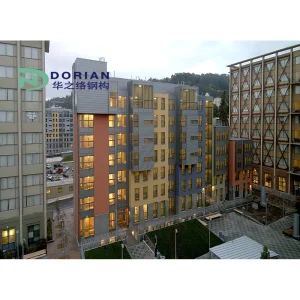
Explore high-capacity, multi-story structural systems engineered for residential developments and commercial extensions.
 CovetNest Build