Explore our elite selection of beachfront prefabricated homes specifically engineered for marine climates and upscale developments across Doha and the Gulf region.
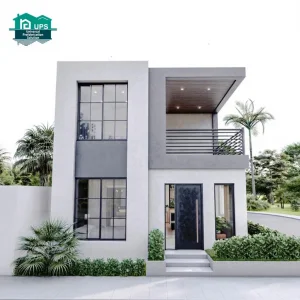
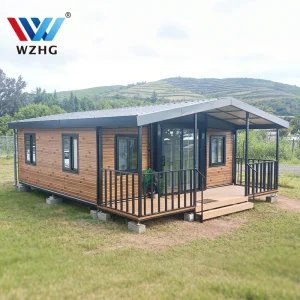
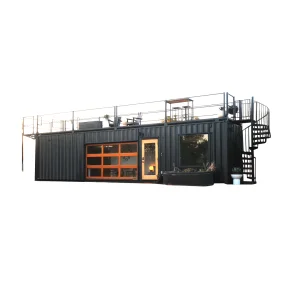
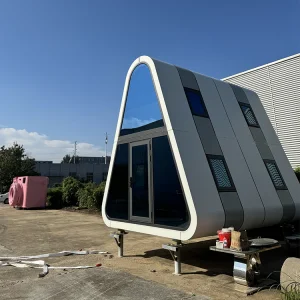
Doha's coastal masterplans—ranging from the iconic Pearl-Qatar and Lusail Waterfront to upcoming eco-resorts in Fuwairit—demand structural solutions that can reconcile extreme environmental exposures with rapid execution. Historically, traditional cast-in-place concrete structures have dominated the Qatari landscape. However, structural engineers, developers, and hospitality conglomerates are shifting towards modular methods of construction. Prefabricated building systems are proving vital to bypassing traditional bottlenecks: long structural cures, excessive on-site labor costs, and complex logistics in saline marine zones.
This document details the engineering specifications, environmental adaptations, and supply chain logistics required to successfully deploy luxury beachfront modular homes in Doha. Additionally, it highlights the manufacturing synergies between Hangzhou CovetNest Build Co., Ltd. and Middle Eastern developers looking to scale high-end oceanfront hospitality portfolios.
Building alongside the Arabian Gulf requires addressing three distinct climatic challenges: extreme heat and humidity, high ambient salinity, and severe wind-borne sandstorms. Standard modular structures designed for temperate European or North American zones will fail in the Gulf region if they are not specifically re-engineered. Our structural units feature localized architectural modifications:
Leveraging robotic steel fabrication and advanced thermodynamic engineering to exceed Gulf Cooperation Council (GCC) building regulations.
Structural frameworks are engineered using Finite Element Analysis (FEA) to withstand high wind velocities up to 160 km/h and localized seismic acceleration, satisfying the rigorous Qatar Construction Specifications (QCS).
Our structures feature VRF (Variable Refrigerant Flow) cooling systems optimized for high ambient climates, and are engineered to support rooftop photovoltaic arrays to help projects reach net-zero energy status.
We deploy multi-layered waterproof membranes and smart vapor retarders that allow moisture to escape outwards while blocking humid salt air from penetrating structural wall cavities.
As developers scale high-end tourist destinations in the Middle East, the primary challenge remains controlling soft costs, structural defects, and supply chain delays. Standard brick-and-mortar builds in Doha suffer from prolonged lead times and labor shortages. Hangzhou CovetNest Build Co., Ltd. resolves these issues through precision industrial manufacturing.
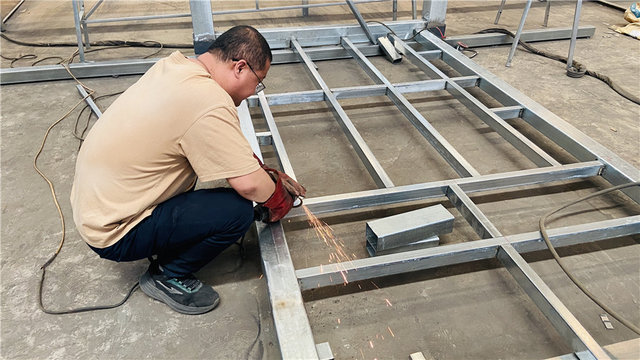
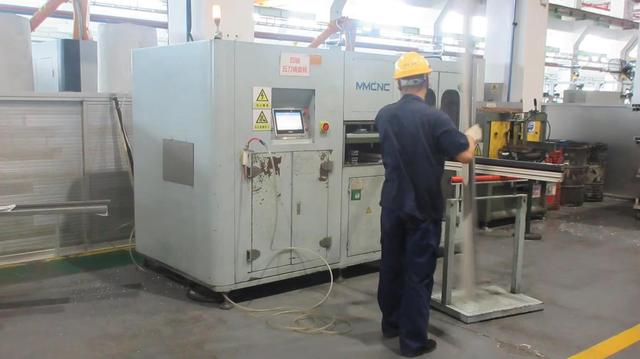
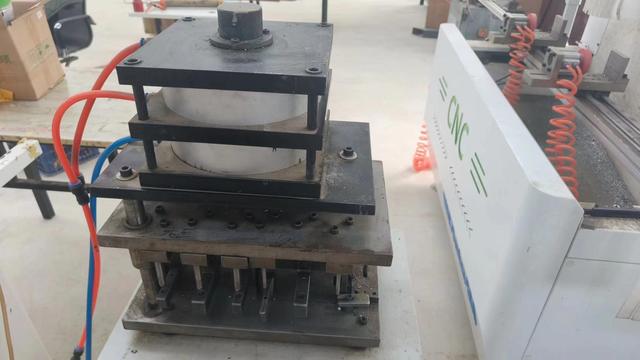
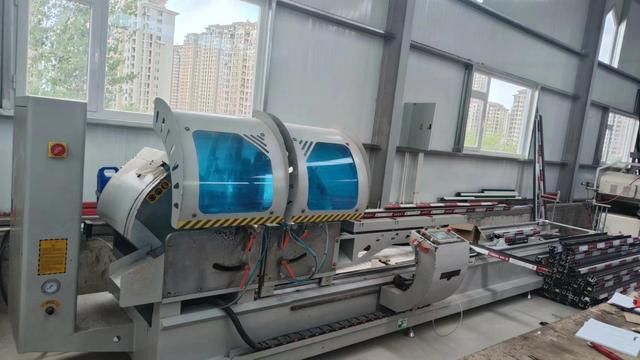
Operating out of automated manufacturing facilities in China, CovetNest combines state-of-the-art structural steel processing with a highly integrated supply chain. In contrast to local construction sites where material quality can fluctuate due to extreme heat, CovetNest modules are fabricated within a temperature-controlled factory environment. Every weld, connection, and insulation layer is verified by ultrasonic testing and laser-guided measurement systems, ensuring tolerances of less than 1mm.
Our centralized manufacturing ecosystem in Hangzhou enables direct procurement of premium architectural finishes, smart home automation components, and high-efficiency glazing systems. This bypasses typical Middle Eastern regional markups, delivering a cost reduction of 30% to 45% compared to site-built properties. Because our fabrication takes place concurrently with on-site foundation work in Qatar, projects are completed up to 60% faster than traditional developments.
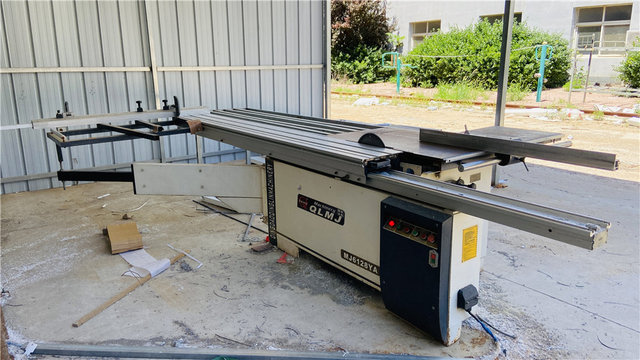
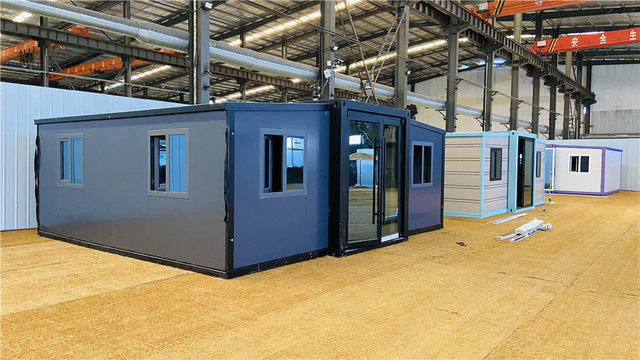
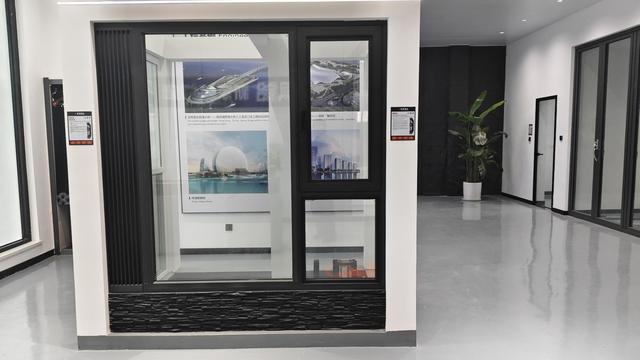
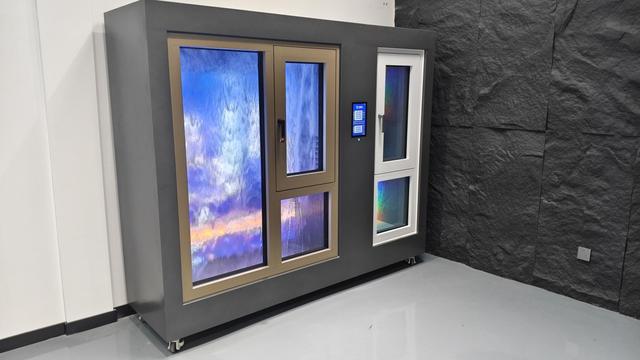
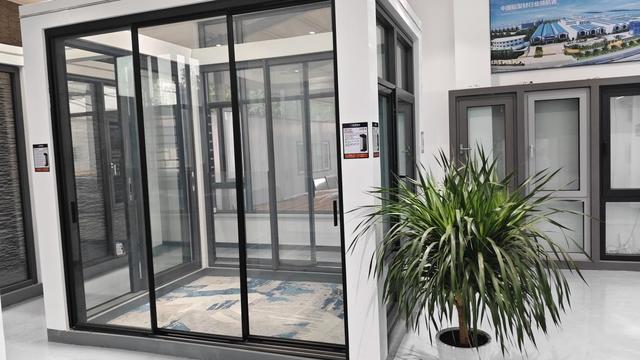
A comprehensive selection of high-end modular designs, available for direct export to Hamad Port, Doha, Qatar.
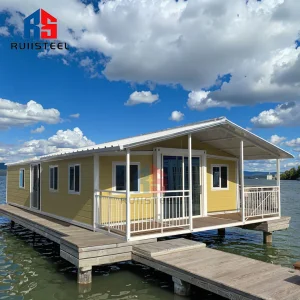
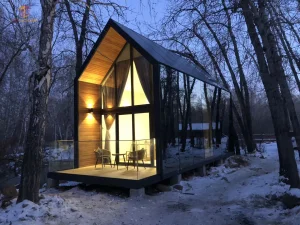
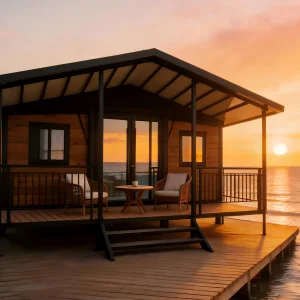
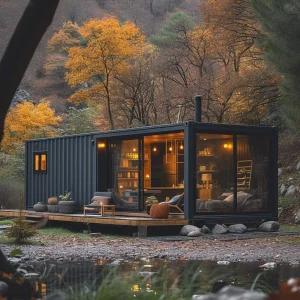
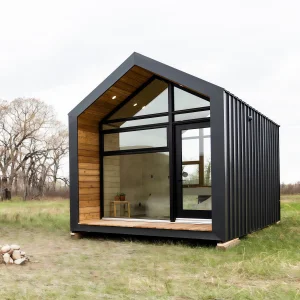
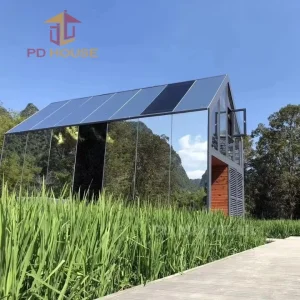
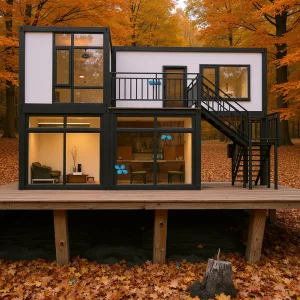
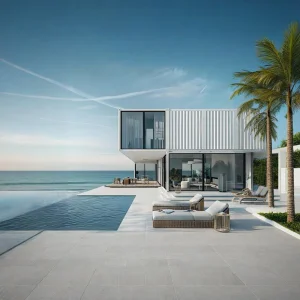
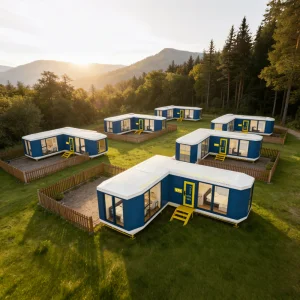
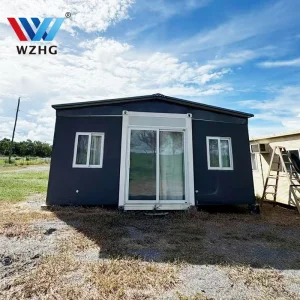
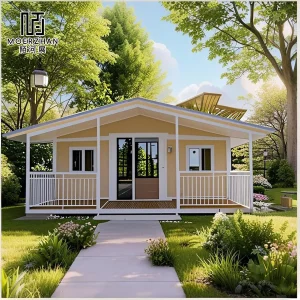
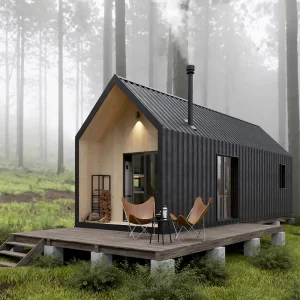
Delivering high-end modular modules from our factory in Hangzhou to a site in Doha involves a structured process that coordinates architectural alignment, sea transit, and local crane installation. We manage this supply chain directly to prevent installation friction on site.
Before fabrication begins, our design team reviews all architectural drawings against the Qatar Construction Specifications (QCS). We calculate structural foundations, localized wind loads (up to 45 m/s), and internal electrical distribution setups to ensure compliance with Kahramaa (Qatar General Electricity & Water Corporation) specifications. Standard voltage and frequency configurations (240V, 50Hz) are integrated directly into the wall panels during production.
All finished modules are wrapped in heavy-duty shrink film and loaded into specialized shipping frames or standard open-top containers. Transport routes run from Shanghai/Ningbo port directly to Hamad Port in Doha. Complete ocean transit and customs brokerage clearance generally require 22 to 30 days, during which all customs documents (including certificates of origin and SASO/Q-Mark equivalent declarations) are processed.
Once they arrive at the site, the modules are lifted onto prepoured concrete foundations using standard hydraulic mobile cranes. A typical 200m² villa can be assembled, sealed, and prepared for interior work within 48 to 72 hours. Our local installation partners manage connection points, structural welds, waterproof membrane seals, and utility links, providing a smooth path to final municipal inspection.
Everything you need to know about exporting, building, and maintaining luxury modular properties along Doha’s coastlines.
We use heavy-gauge structural steel frames treated with hot-dip galvanization (minimum coating mass of 450 g/m²) and multi-layer epoxy primers. Fasteners and hardware exposed to the exterior are made from Marine Grade 316 Stainless Steel. This stops rust and structural wear, matching standard luxury oceanfront builds.
Yes. All of our engineering calculations are reviewed by local Qatari engineering partners to verify that foundations, steel structures, and frame joints can withstand local wind profiles (up to 160 km/h) and seismic loads. Full structural load verification reports are provided for municipal approvals.
Our walls are built with dual-layer insulation: high-density rockwool combined with a closed-cell polyurethane spray foam barrier. This design yields a structural U-value below 0.18 W/m²K, which limits heat transfer, reduces HVAC energy usage, and maintains indoor cooling.
Manufacturing in our factory takes 45 to 60 days, followed by 25 days of ocean freight to Hamad Port. While shipping is in progress, local excavation and foundation work are completed on site. Crane assembly and dry-in finishing of the modules take 3 to 5 days, shaving months off the timeline of a typical brick-and-mortar build.
Yes. Every modular layout can be customized. Our in-house architectural team collaborates with developers to design custom floor plans, load-bearing configurations, and bespoke exterior finishes (such as wood cladding, composite systems, or sand-textured paint) that match local style guidelines.
Partner with Hangzhou CovetNest for precision-engineered, marine-grade modular structures that meet Kahramaa and QCS standards.
Send Inquiry Now CovetNest Build