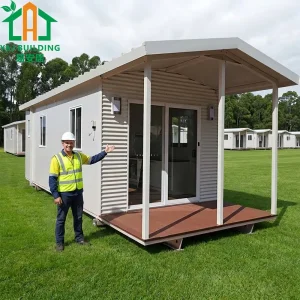
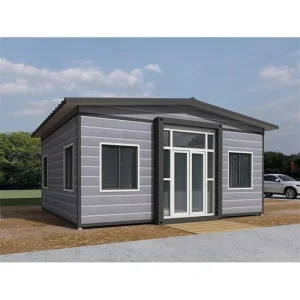
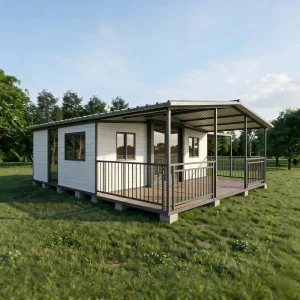
Engineered to withstand the extreme environmental conditions of the Pacific, including high salinity, extreme humidity, and severe cyclones.
As a low-lying nation in the central Pacific, Kiribati faces a unique matrix of environmental challenges. Traditional construction methodologies struggle to cope with the rising sea levels, high saline corrosion from coastal winds, severe water scarcity, and the logistic complexity of importing building materials over thousands of miles of ocean. With the threat of King Tides and storm surges, building robust, elevated, and climate-resilient infrastructure is a high priority for both the public and private sectors in South Tarawa, Betio, and Kiritimati (Christmas Island).
Traditional concrete construction in Kiribati often depends on compromised local aggregates, leading to salt-damage issues that significantly reduce the lifespan of residential and commercial structures. Heavy equipment is scarce, and the local workforce must operate without large-scale concrete batching plants on remote atolls. Modern modular homes solve these limitations by shifting the fabrication process to controlled factories in China, ensuring structural integrity, superior thermal insulation, and minimal site disruption.
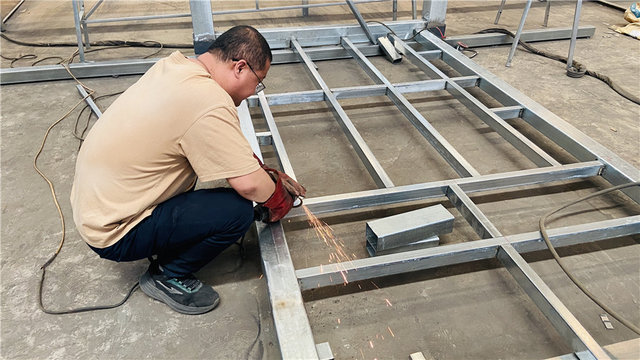
Building for the Gilbert, Line, and Phoenix Islands requires custom-engineered materials capable of resisting C5-M grade marine corrosion. Our modular structures utilize high-performance hot-dip galvanized steel frames, protected by specialized epoxy primers and anti-saltwater topcoats. This level of protection prevents the rapid oxidation of structural joints commonly seen in traditional Pacific construction.
Our quality parameters are engineered to conform to international building codes, specifically tailored to remote island contexts.
Leveraging state-of-the-art production capacity and advanced supply chain networks out of Hangzhou, China, to deliver reliable housing directly to Oceania.
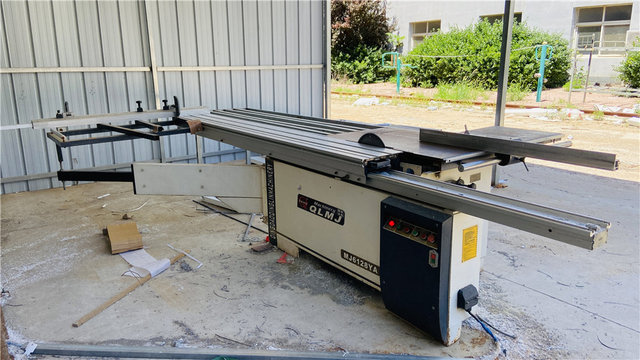
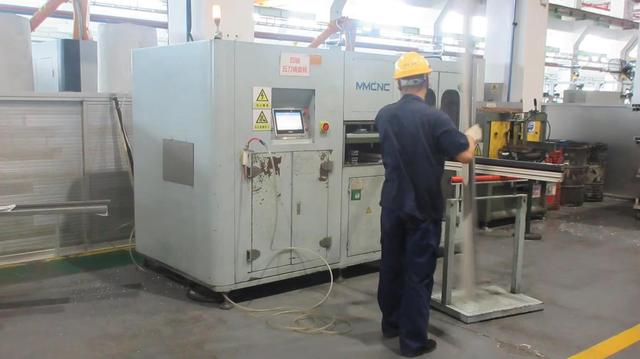
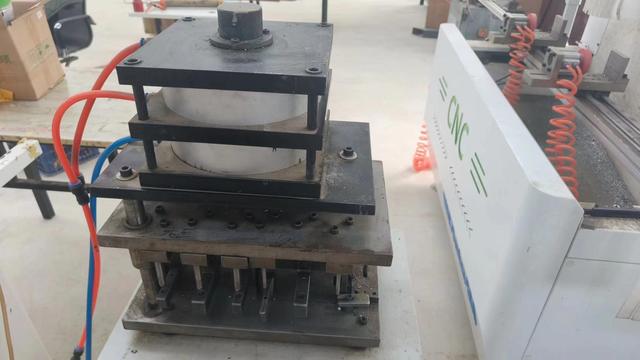
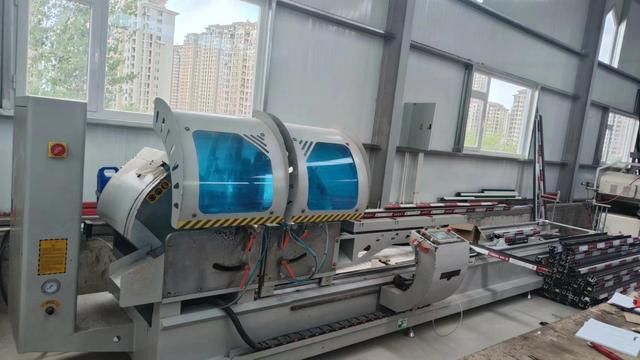
Our production facilities utilize modern CNC metal processing systems, laser-cut frame systems, and automated sandwich panel assembly lines. By performing structural welding and coating in a dust-free, climate-controlled factory, we eliminate variations in product quality that inevitably occur in field construction environments.
Our structural design team features experienced civil engineers specialized in seismic and oceanic microclimate structural calculations. We ensure that every prefab modular home meets strict Australian and New Zealand building standards (AS/NZS 1170), which are commonly referenced in the South Pacific.
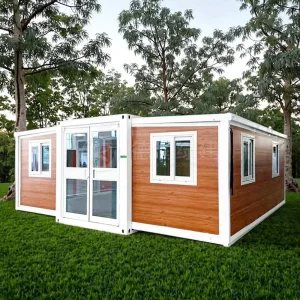
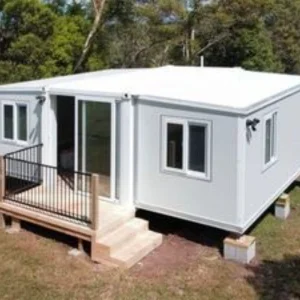
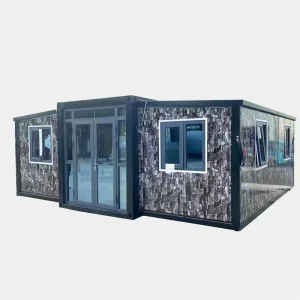
Shipping to the Central Pacific requires meticulous logistical planning. Our modular units are specifically designed around standard container footprints (20FT, 40FT, or Flat-Pack profiles), allowing them to be easily handled by standard cargo ships calling at the Port of Betio in South Tarawa or London Port in Kiritimati Island.
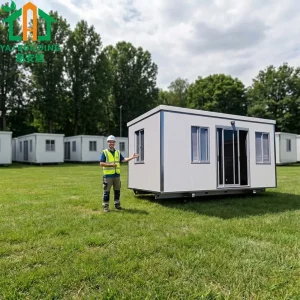
We supply detailed visual instruction manuals, standard installation toolkits, and digital remote assistance. Our prefabricated structures can be deployed with basic hand tools and standard light lifting equipment, minimizing the dependency on heavy cranes or highly specialized crews.
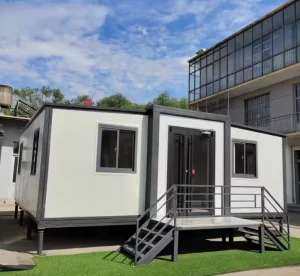
Providing fast-assembly, elevated modular housing solutions for local families displaced by sea-level rise and coastal erosion in South Tarawa.
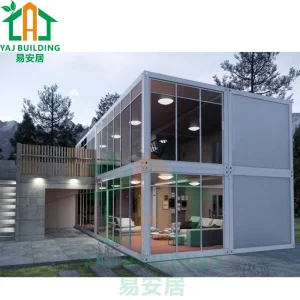
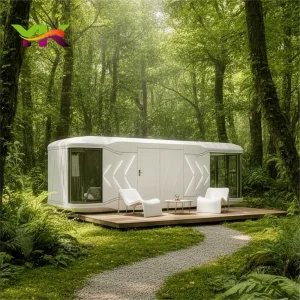
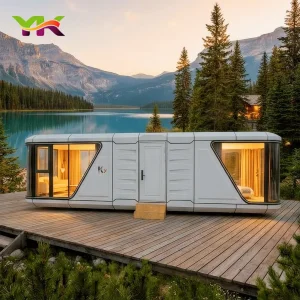
Turnkey smart capsule and modular luxury villas optimized for high-end sport fishing and eco-tourism resorts on Kiritimati (Christmas) Island.
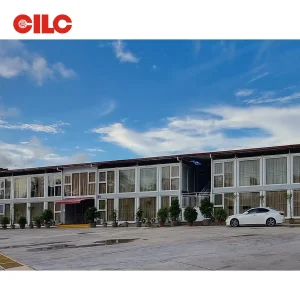
Rapid deployment classrooms, community centers, health clinics, and administrative buildings for NGOs and municipal authorities.
Hangzhou CovetNest Build Co., Ltd. is a leading China luxury modular home manufacturer specializing in custom prefab villa solutions for residential, hospitality, and resort projects worldwide. With a strong commitment to innovation, craftsmanship, and sustainable construction, the company delivers premium modular housing solutions that combine sophisticated design, superior quality, and modern living experiences.
The company offers a diverse portfolio of products, including luxury modular homes, custom prefab villas, contemporary prefabricated residences, modular resort villas, smart homes, vacation homes, and turnkey modular housing solutions. Designed to meet the highest standards of aesthetics, comfort, and durability, CovetNest's modular structures provide customers with elegant living spaces while significantly reducing construction time and on-site labor requirements.
Hangzhou CovetNest Build Co., Ltd. operates advanced manufacturing facilities equipped with automated production lines, precision fabrication equipment, and rigorous quality management systems. Supported by an experienced team of architects, engineers, and project specialists, the company provides comprehensive one-stop services, including architectural design, structural engineering, manufacturing, quality inspection, logistics coordination, and installation support.
Driven by innovation and sustainability, CovetNest integrates energy-efficient materials, smart home technologies, and environmentally responsible construction practices into every project. The company's modular housing systems are widely used in luxury residences, vacation properties, hospitality developments, eco-resorts, and high-end commercial accommodation projects across global markets.
Quality, integrity, and customer satisfaction remain the core values of Hangzhou CovetNest Build Co., Ltd. Through continuous technological advancement and customer-focused service, the company has established long-term partnerships with clients throughout Asia, Europe, North America, the Middle East, Africa, and Oceania. CovetNest remains dedicated to creating premium modular living solutions that redefine modern luxury and deliver lasting value to customers worldwide.
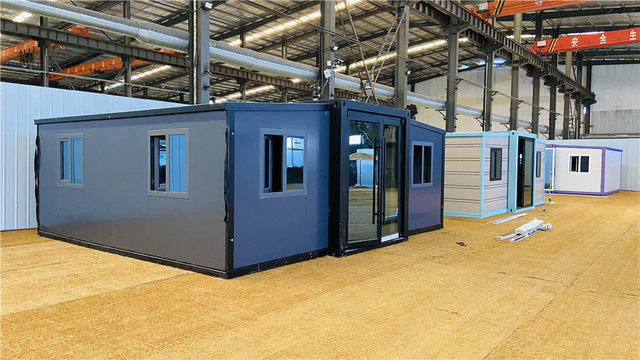
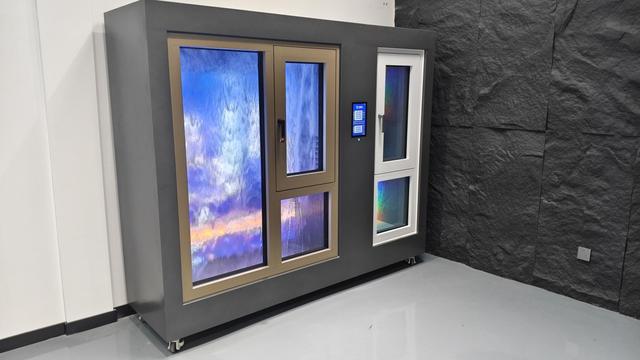
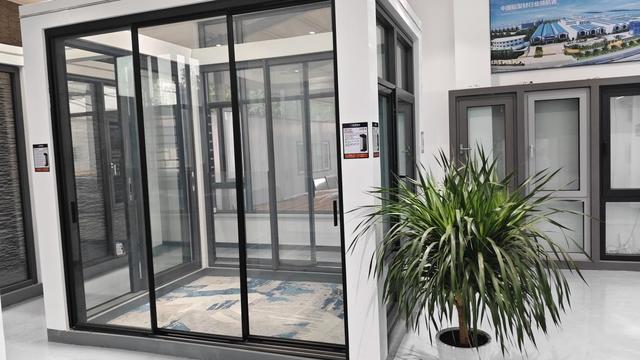
Explore our extensive range of customizable modern modular and capsule homes built for durability and aesthetics in Kiribati's unique geography.
 CovetNest Build