Ready-to-deploy modular cabins featuring dual-layer insulation systems and structural compliance for Moscow region snow loads.
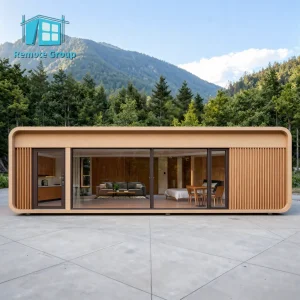
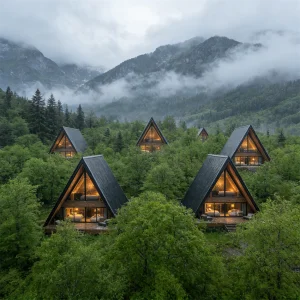
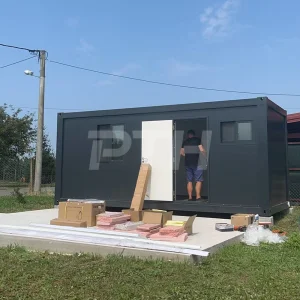
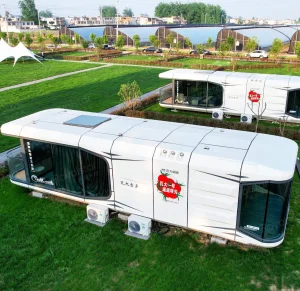
The Greater Moscow area, containing the Moscow Metropolitan Area and bordering regions, represents one of the fastest-growing regions for smart, industrial modular construction in Eastern Europe. However, implementing prefabricated housing systems in this region requires addressing specific localized environmental and administrative requirements. With sub-zero temperatures persisting from November through March, and ground-freezing depths reaching up to 1.4 meters, conventional on-site construction encounters significant seasonal bottlenecks.
Hangzhou CovetNest Build Co., Ltd. addresses these challenges by supplying off-site fabricated smart modular homes engineered specifically for high thermal performance. Our structural systems comply with Russian national building codes, including SP 50.13330.2012 (Thermal Performance of Buildings) and SP 20.13330.2016 (Loads and Actions), which dictates resistance to heavy snow loads (up to 240 kg/m² for Moscow snow region Class III/IV).
Wall structural assemblies engineered to achieve an overall thermal resistance coefficient (R-value) of ≥ 4.2 m²·°C/W, preventing condensation and reducing heating loads.
Hot-rolled steel frames and reinforced roof trusses rated to support severe winter accumulation without deflection.
Pre-integrated, pre-wired, and pre-insulated volumetric modules built under controlled factory conditions to bypass seasonal on-site weather delays.
Our smart modular structures utilize premium cold-formed and hot-rolled structural steel chassis treated with C4-class anti-corrosion primers. The primary insulation core comprises high-density hydrophobic polyurethane (PU) foam or mineral wool boards, which limits thermal bridging. This wall build-up preserves indoor comfort even when outdoor temperatures fall to -30°C.
| Structural Component | Standard Specification | Moscow Premium Grade Spec | Performance Index |
|---|---|---|---|
| Wall Insulation | 75mm PIR Sandwich Panel | 150mm Double-Layer PU / Rockwool | U-value: ≤ 0.18 W/(m²K) |
| Glazing Systems | Double Glazed, Low-E | Triple Glazed Argon-filled, Temper Glass | Acoustic drop: -42dB; R-value: 0.85 |
| Frame Durability | Q235 Carbon Steel | Q345 Hot-dip Galvanized Steel (80-120g/m²) | Design life: > 50 Years |
| Smart Integration | Basic Zigbee Controller | Custom Central BMS (Alice / Yandex compatible) | Automated climate & ventilation |
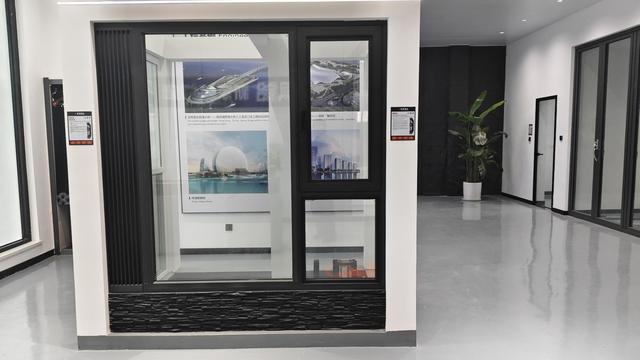
Additionally, our high-end models feature multi-stage ventilation systems with energy recovery (HRV), preventing moisture accumulation inside the building envelope. Triple-pane low-emissivity glass panels maximize natural light during winter while reducing heat loss through window assemblies.
Hangzhou CovetNest Build Co., Ltd. operates manufacturing facilities with automated production lines, precision fabrication equipment, and quality management systems. Our structural designs and manufacturing protocols are engineered for reliability and long-term performance.
Supported by our architects, structural engineers, and logistics coordinators, we provide a complete B2B service suite including architectural optimization, MEP engineering, factory acceptance testing, and customs documentation.
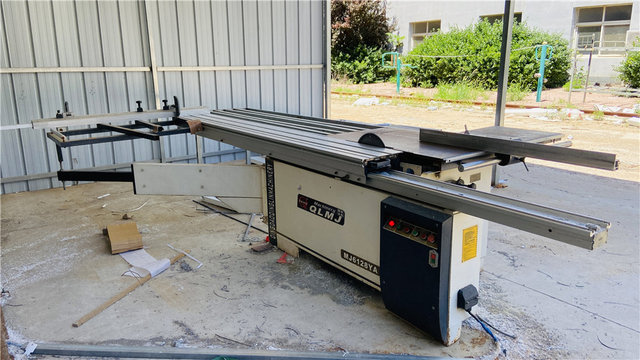
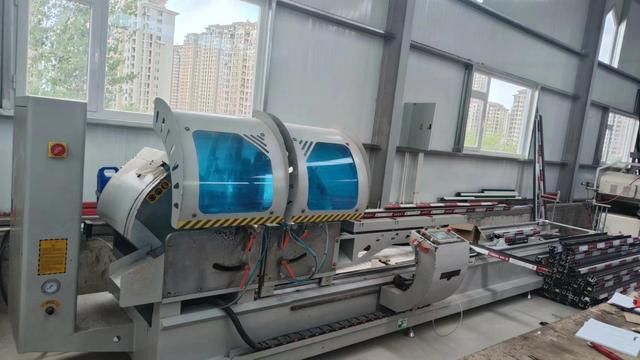
High-precision cutting and alignment of galvanized steel profiles within tolerance margins of less than 0.5mm.
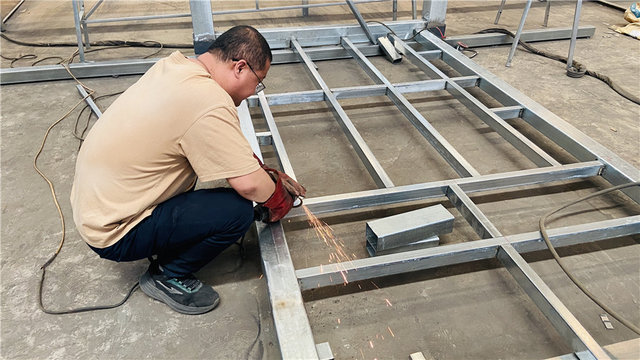
Gas metal arc welding of the main volumetric frames, followed by non-destructive testing (NDT) of critical joints.
Units undergo rigorous water tightness testing and simulated load thermal imaging before packaging.
Documented assembly and design steps from our main production centers.
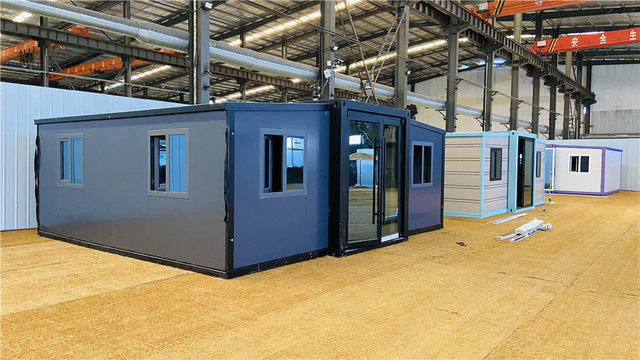
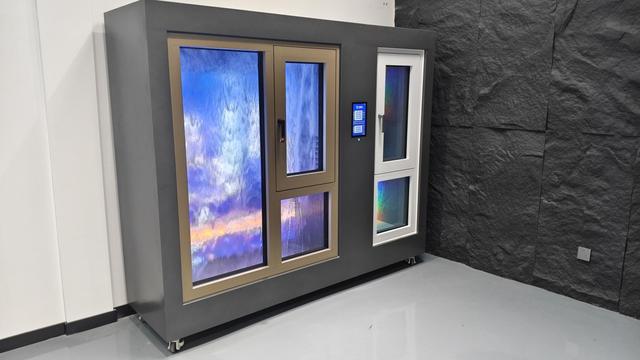
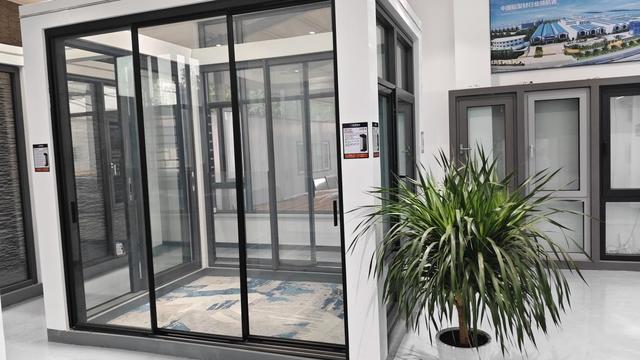
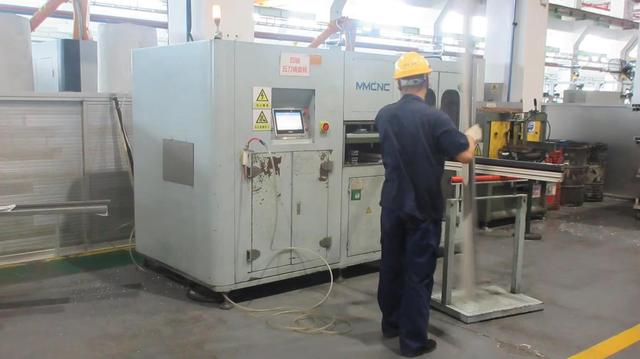
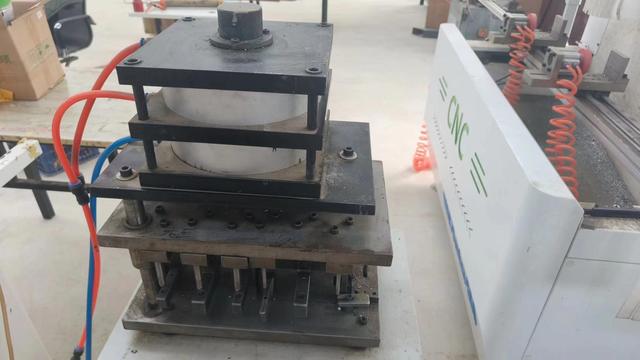
Transporting volumetric modular configurations requires structural rigidity to withstand transit dynamics. Our structural steel frames are designed with integrated hoisting corners that conform to standard ISO container dimensions, facilitating standard sea, rail, and land transport.
For the Moscow market, we utilize the integrated Eurasian rail link via Zabaikalsk or the direct road shipping corridors through Alashankou/Dostyk. This path ensures delivery to primary logistics hubs in Moscow Oblast within 18 to 25 days from dispatch from our Hangzhou facility.
Deployable designs engineered for resort, commercial, residential, and corporate office applications.
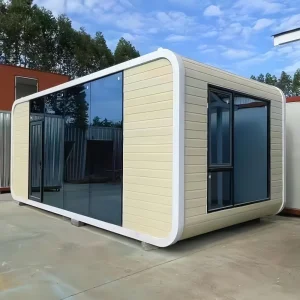
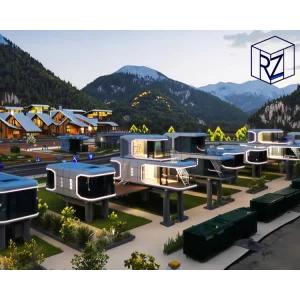
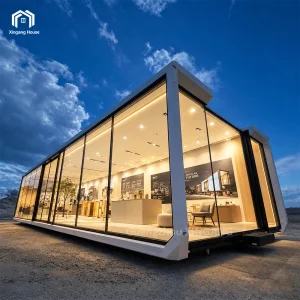
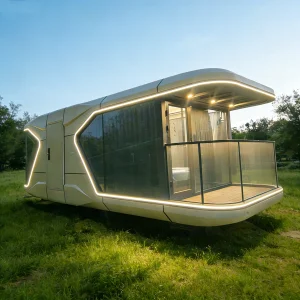

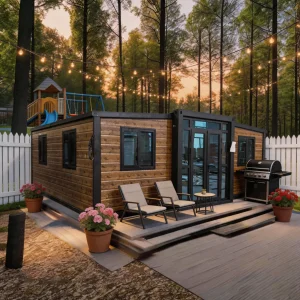
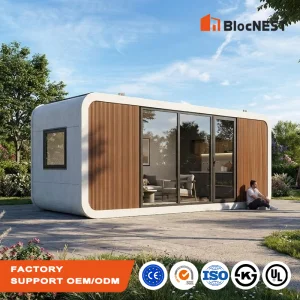
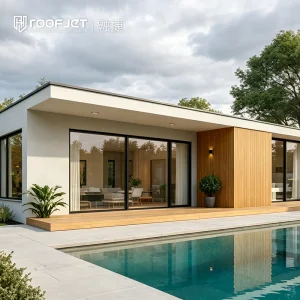
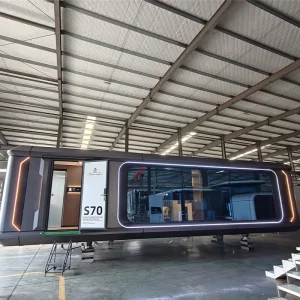
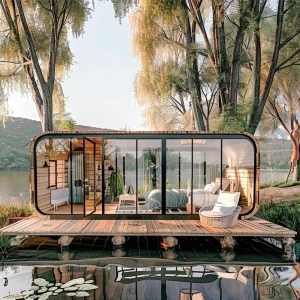
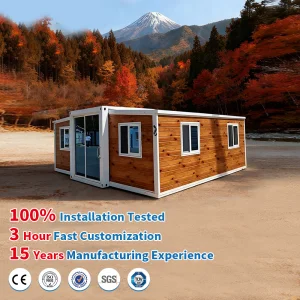
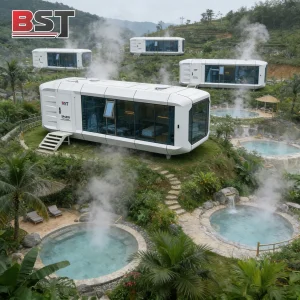
Our architectural team actively designs developments for the extreme continental climates of Northern and Eastern Europe. Over the coming years, we plan to implement several technical updates for the Moscow metropolitan region:
Key answers for commercial buyers, architectural consultants, and logistics managers.
Yes. Our cold-climate configurations feature double-layer interior rockwool or high-density polyurethane insulation panels with R-values exceeding 4.2 m²·°C/W. We also utilize triple-glazed, argon-filled low-E glass assemblies to limit thermal transmission and minimize energy consumption.
Our volumetric modules are transported via standard container rail freight lines from Central China to Moscow railway junctions, or via flatbed trailer trucks crossing border entry points such as Zabaikalsk. Structural frameworks are certified for crane hoisting and dynamic transport stresses.
Most capsules can be placed on screw piles, strip foundations, or concrete pads. For the Moscow region's freezing profile, we recommend deep steel screw piles anchored below the frost line (1.5m minimum) to prevent frost heave.
Yes. The pre-installed electrical circuits, breakers, and conduits comply with regional standard requirements (220-240V, 50Hz) and can be customized to match local building codes.
 CovetNest Build