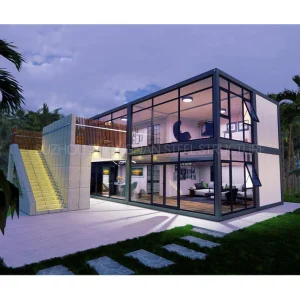
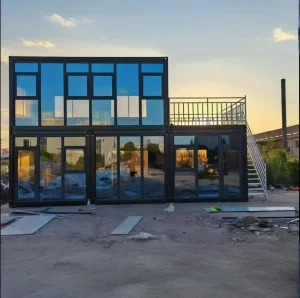
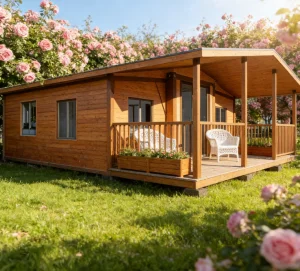
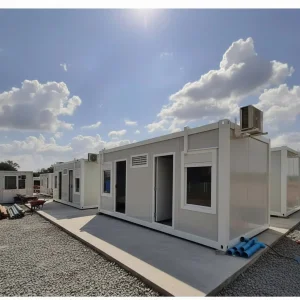
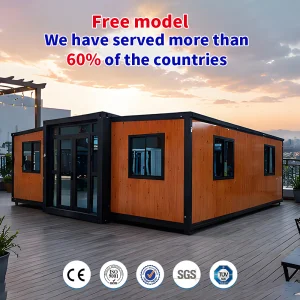
Engineered to comply with local seismic codes and optimized for rapid onsite assembly
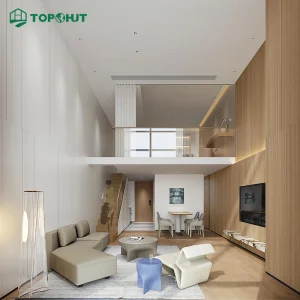
Turkey sits at the crossroads of Europe and Asia, positioning it as a dynamic hub for infrastructure development, commercial expansion, and tourism. The nation’s construction sector is historically strong; however, traditional concrete cast-in-situ construction methods face significant bottlenecks. Rising domestic inflation, escalating labor rates, and the critical need for rapid post-disaster rebuilding initiatives have forced developers to transition toward Off-Site Manufacturing (OSM) and Prefabricated Prefinished Volumetric Construction (PPVC).
Crucially, Turkey is highly prone to seismic activity. More than 95% of its territory is located in active fault zones. The implementation of the updated Turkish Earthquake Code (TBDY 2018) demands that all new structures meet strict drift limits, energy dissipation capabilities, and high structural ductility. Heavy-gauge and cold-formed light steel structural systems developed by global manufacturers like Hangzhou CovetNest Build Co., Ltd. represent the frontier of seismic safety, offering an optimal strength-to-weight ratio that inherently minimizes inertial seismic forces on buildings.
Our custom modular homes are engineered using hot-dip galvanized structural steel profiles with yield strengths of S350GD or higher, protected with a zinc coating of Z275 (275 g/m²) to guarantee a service life exceeding 50 years under humid Mediterranean or harsh Anatolian plateau conditions. Advanced structural analysis software is deployed to model three-dimensional space frames, ensuring our buildings can safely withstand wind loads up to 120 km/h and ground accelerations corresponding to Zone 1 seismic events.
As a leading China luxury modular home manufacturer, Hangzhou CovetNest Build Co., Ltd. leverages the world’s most advanced supply chain ecosystem. Industrial cluster advantages in Zhejiang province enable us to source premium materials—from structural steel to integrated smart-home automation—at optimized price points.
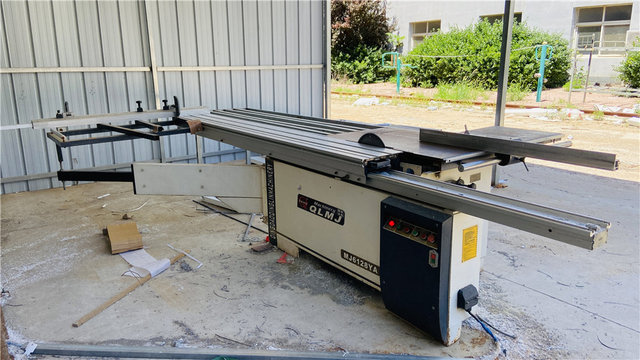
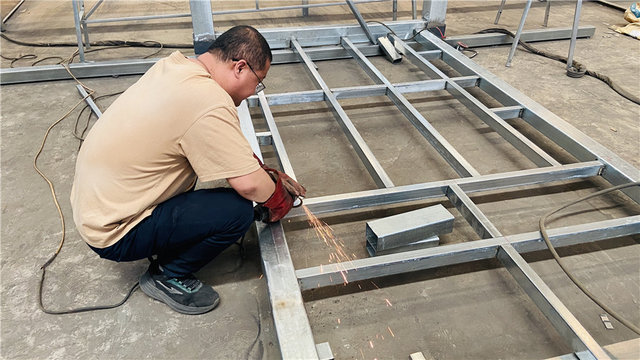
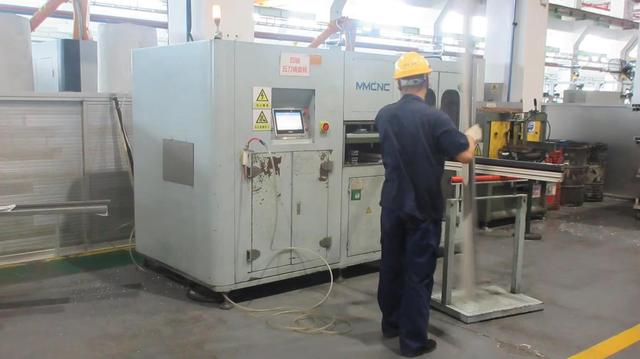
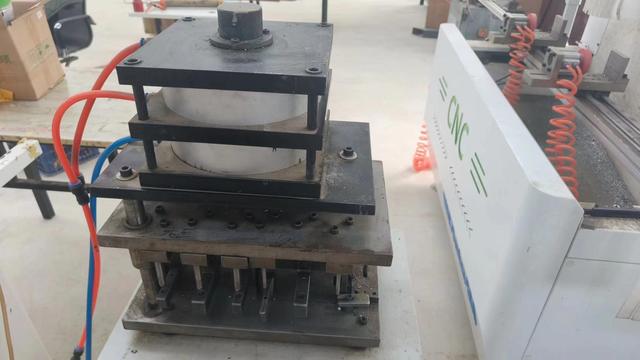
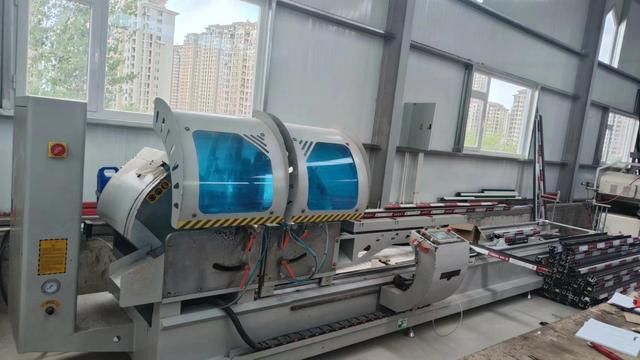
Fully automated roll-forming machines print structural framing with sub-millimeter tolerances, reducing material wastage below 2%.
Non-destructive welding inspections, load testing, and comprehensive waterproof checks performed in-house prior to dispatch.
Offsite fabrication occurs in a climate-controlled environment, which prevents timber warping, steel oxidization, and insulation dampness—common quality issues in traditional wet construction. By executing structural framing, electrical rough-ins, plumbing networks, and architectural finishes concurrently, we compress overall project schedules by up to 50% compared to traditional Turkish onsite methods.
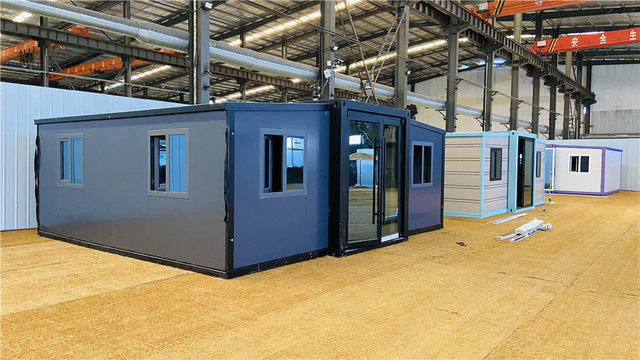
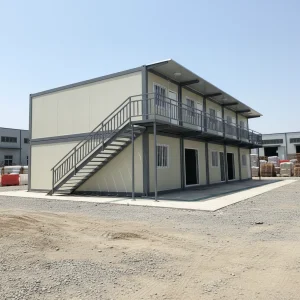
Urban transformation schemes require rapid, low-impact housing replacements. Our light steel frame modular systems can be assembled on-site with minimal heavy machinery, ideal for dense metropolitan settings where access roads are narrow.
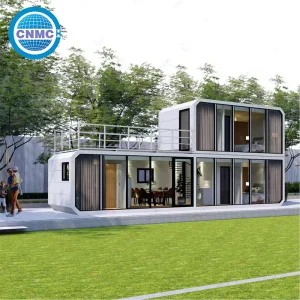
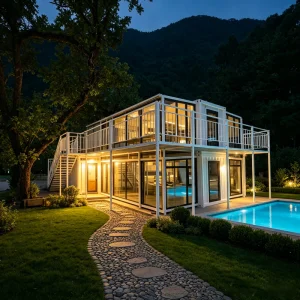
Turkey’s tourism sectors demand rapid ROI. Traditional building in scenic areas often faces strict environmental protection regulations and seasonal noise bans. CovetNest’s modular luxury villas and commercial "Apple Cabin" cabins are constructed off-site and craned into position in days, minimizing site disruption and maintaining the natural beauty of Mediterranean locations.
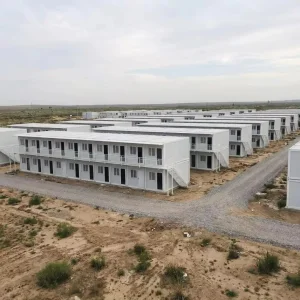
Mining operations, oil extraction sites, and large-scale public infrastructure projects in remote Anatolia require robust, thermally insulated workforce housing. Our modular camp units feature rock wool insulation (up to 150mm thick, U-value < 0.24 W/m²K) that withstands extreme winter temperatures drop to -30°C on the Anatolian plateau.
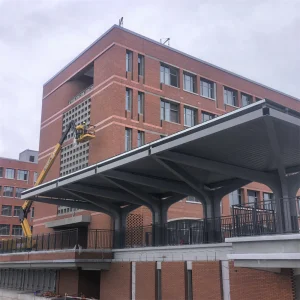
Optimized structures for commercial, educational, and high-density housing applications
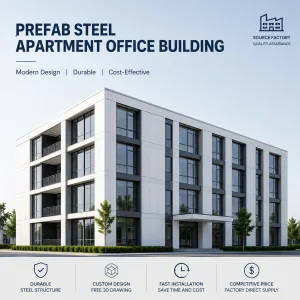
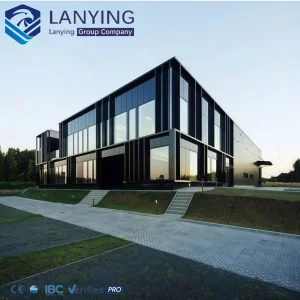
A key criteria for ensuring structural performance in modular architecture is compliance with internationally recognized building codes. CovetNest designs utilize standard specifications detailed below, ensuring full integration with standard mechanical, electrical, and plumbing (MEP) systems globally.
| Structural System | Standard Steel Grade | Thermal Resistance (R-value) | Seismic Force Capacity | Applicable Building Codes |
|---|---|---|---|---|
| Light-Gauge Steel Frame | S350GD+Z275 Galvanized | R-22 to R-38 (depending on cladding) | Zone 1 - High Ductility class | Eurocode 3 & 4, TBDY 2018, IBC 2021 |
| Heavy Structural Steel | Q355B (equivalent to S355JR) | Custom architectural configurations | Dynamic analysis up to 8.0 Magnitude | AISC 360-16, Eurocode 3, TS EN 10025 |
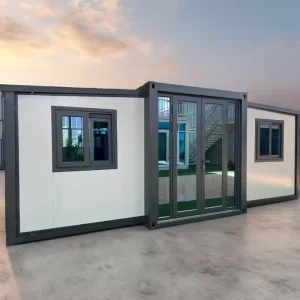
| Expandable Container Units | Q235B (structural carbon steel) | R-16 to R-24 | Wind load up to 110 km/h | ISO container standards, CE certification |
For Engineering, Procurement, and Construction (EPC) firms operating in Turkey, importing key building elements from China offers an uncompromised competitive advantage. By partnering with Hangzhou CovetNest, local Turkish enterprises circumvent domestic raw material volatility and local labor limitations.
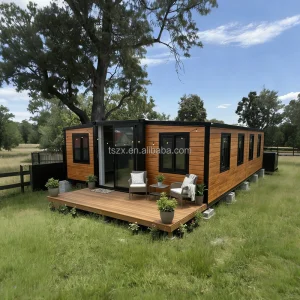
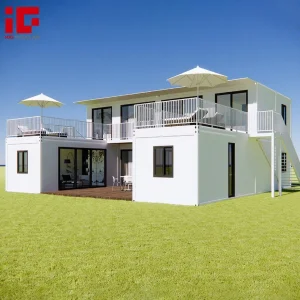
Precision-engineered expandable containers, luxury villas, and multi-storey modular frameworks
Critical regulatory and technical insights regarding importing modular structures to Turkey
 CovetNest Build